As a well – recognized supplier of heavy – duty fire pumps, I’ve witnessed firsthand the critical role these pumps play in safeguarding lives and property. Heavy – duty fire pumps are the heart of any fire protection system, and regular cleaning is essential to maintain their optimal performance. In this blog, I’ll share my in – depth knowledge on how to clean heavy – duty fire pumps effectively. Heavy-duty Fire Pumps
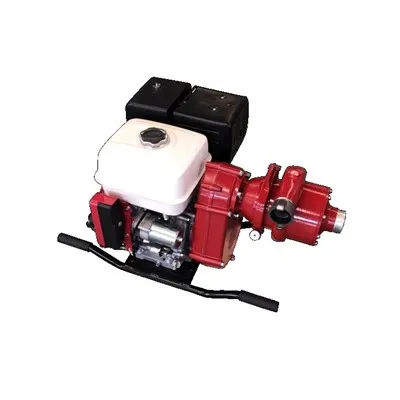
Understanding Heavy – Duty Fire Pumps
Before delving into the cleaning process, it’s important to understand what heavy – duty fire pumps are. These pumps are designed to deliver a large volume of water at high pressure to extinguish fires in large buildings, industrial facilities, and other high – risk areas. They are typically powered by electric motors, diesel engines, or steam turbines, and are built to withstand harsh conditions.
The components of a heavy – duty fire pump include the pump casing, impeller, shaft, bearings, seals, and valves. Over time, these components can accumulate dirt, debris, rust, and scale, which can reduce the pump’s efficiency and reliability. Regular cleaning helps to prevent these issues and ensures that the pump is ready to operate when needed.
Pre – cleaning Preparations
Safety First
Safety is the top priority when cleaning heavy – duty fire pumps. Before starting any cleaning work, make sure the pump is completely shut down and isolated from its power source. Wear appropriate personal protective equipment (PPE), such as safety glasses, gloves, and a hard hat. If the pump is located in a hazardous environment, additional safety measures may be required, such as respiratory protection.
Gather the Necessary Tools and Materials
You’ll need a variety of tools and materials for cleaning heavy – duty fire pumps, including:
- Soft – bristle brushes: For cleaning delicate components without causing damage.
- Hard – bristle brushes: To remove stubborn dirt and debris.
- Scrapers: To scrape off rust and scale.
- Cleaning solutions: Choose a cleaning solution that is compatible with the pump’s materials. Avoid using abrasive or corrosive cleaners.
- Water: For rinsing the pump components.
- Compressed air: To dry the components and blow out any remaining debris.
Inspect the Pump
Before cleaning, conduct a thorough visual inspection of the pump. Look for signs of damage, such as cracks, leaks, or worn – out parts. Check the alignment of the pump and motor, and ensure that all bolts and connections are tight. If you notice any significant issues, it may be necessary to consult a professional technician before proceeding with the cleaning.
Cleaning Process
Exterior Cleaning
Start by cleaning the exterior of the pump. Use a soft – bristle brush and a mild cleaning solution to remove dirt, dust, and grime from the pump casing, motor, and other external components. Pay special attention to areas where dirt tends to accumulate, such as around the vents and cooling fins. Rinse the exterior with clean water and dry it with a clean cloth or compressed air.
Disassembly
If necessary, disassemble the pump to access the internal components. Follow the manufacturer’s instructions carefully when disassembling the pump to avoid causing damage. Keep track of all the parts and their locations, and label them if needed.
Cleaning the Internal Components
- Impeller: The impeller is a critical component of the pump that transfers energy to the water. Use a soft – bristle brush and a cleaning solution to remove dirt, debris, and scale from the impeller. Be careful not to damage the impeller blades, as this can affect the pump’s performance. Rinse the impeller thoroughly with clean water and dry it with compressed air.
- Pump Casing: The pump casing houses the impeller and other internal components. Use a hard – bristle brush and a cleaning solution to remove rust, scale, and debris from the inside of the pump casing. Pay special attention to the areas around the impeller and the volute. Rinse the pump casing with clean water and dry it with compressed air.
- Shaft and Bearings: The shaft and bearings support the impeller and allow it to rotate smoothly. Use a soft – bristle brush and a cleaning solution to clean the shaft and bearings. Check the bearings for signs of wear or damage, and replace them if necessary. Rinse the shaft and bearings with clean water and dry them with compressed air.
- Seals and Valves: The seals and valves prevent water from leaking out of the pump and control the flow of water. Use a soft – bristle brush and a cleaning solution to clean the seals and valves. Check the seals for signs of wear or damage, and replace them if necessary. Rinse the seals and valves with clean water and dry them with compressed air.
Reassembly
Once all the components are clean and dry, reassemble the pump. Follow the manufacturer’s instructions carefully when reassembling the pump to ensure that all the parts are installed correctly. Tighten all the bolts and connections to the specified torque.
Testing
After reassembling the pump, conduct a thorough test to ensure that it is functioning properly. Prime the pump and start it up, and check for any leaks or abnormal noises. Monitor the pump’s pressure and flow rate, and compare them to the manufacturer’s specifications. If you notice any issues, stop the pump immediately and troubleshoot the problem.
Maintenance Tips
- Regular Cleaning Schedule: Establish a regular cleaning schedule for your heavy – duty fire pumps. The frequency of cleaning will depend on the pump’s operating environment and usage. In general, it’s recommended to clean the pumps at least once a year.
- Lubrication: Keep the pump’s bearings and other moving parts properly lubricated. Follow the manufacturer’s recommendations for lubrication intervals and types of lubricants.
- Inspection: Conduct regular inspections of the pump to check for signs of wear, damage, or corrosion. Replace any worn – out or damaged parts promptly.
- Training: Ensure that your maintenance personnel are properly trained in the cleaning and maintenance of heavy – duty fire pumps. Provide them with the necessary tools, materials, and safety equipment.
Conclusion

Cleaning heavy – duty fire pumps is a crucial part of maintenance that helps to ensure their reliable performance. By following the steps outlined in this blog, you can effectively clean your heavy – duty fire pumps and extend their lifespan. Remember, a well – maintained fire pump is your first line of defense against fires.
Wind-powered Fire Extinguisher If you’re in the market for high – quality heavy – duty fire pumps or need professional advice on pump cleaning and maintenance, don’t hesitate to reach out. Our team of experts is ready to assist you with all your fire pump needs. Contact us to start a discussion about your requirements and explore how our products can meet your specific demands.
References
- NFPA 20: Standard for the Installation of Stationary Pumps for Fire Protection
- Manufacturer’s manuals for heavy – duty fire pumps
Zhenjiang Linhao Forest Fire Prevention Equipment Co., Ltd.
Zhenjiang Linhao Forest Fire Prevention Equipment Co., Ltd. is one of the most reliable manufacturers and suppliers of heavy-duty fire pumps in China, featured by quality products and low price. Please rest assured to wholesale customized heavy-duty fire pumps from our factory. Contact us for quotation and free sample.
Address: No.16,Fenghuangshan Road, Runzhou District, Zhenjiang City, Jiangsu Province
E-mail: lh@lhfirefighting.com
WebSite: https://www.lhfirefighting.com/
