Hey there, folks! I’m a supplier in the flange game, and today, I wanna chat about one of the most crucial aspects of flange installation: the torque specification for flange bolts. Flange
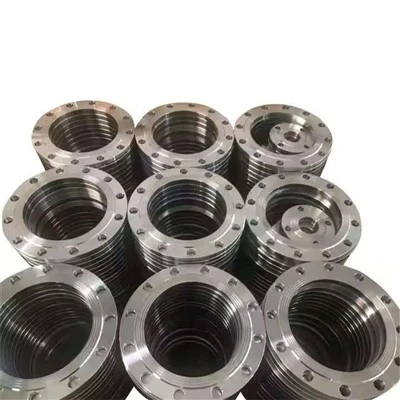
Y’know, when you’re dealing with flanges, getting the right torque for those bolts is super important. It’s not just about tightening them up as hard as you can; there’s a science behind it. Flanges are used in all sorts of industries, like oil and gas, water treatment, and manufacturing. They connect pipes, valves, and other equipment, and a proper bolt torque ensures a leak – free and safe connection.
So, what exactly is torque? Well, torque is the measure of the force that can cause an object to rotate. In the context of flange bolts, it’s the amount of ‘oomph’ you apply when tightening them. If you don’t apply enough torque, the flange connection might not be tight enough. This can lead to leaks, which can be a huge headache, especially when you’re dealing with hazardous materials or in high – pressure systems. For example, in an oil refinery, a small leak can turn into a big environmental disaster and cost a fortune to fix.
On the other hand, if you over – torque the bolts, you can damage the bolts themselves, the flanges, or both. Over – torqued bolts can stretch or break, and they can also warp the flange faces. This can create gaps, even though the bolts seem tight, and cause leaks. So, finding that sweet spot of the right torque is key.
Now, the torque specification for flange bolts isn’t a one – size – fits – all thing. There are a bunch of factors that come into play when determining the right torque value.
First up, we’ve got the bolt size. Obviously, bigger bolts usually require more torque to tighten. A 1/2 – inch bolt is gonna need a different amount of torque compared to a 1 – inch bolt. This is because the larger the bolt, the more force it can handle without breaking. And the force needed to make it clamp the flanges together appropriately also goes up.
The type of bolt material is another biggie. Different materials have different strengths and properties. For instance, a stainless – steel bolt and a carbon – steel bolt might need different torque values even if they’re the same size. Stainless steel has different friction characteristics and yield strength compared to carbon steel, so the torque needed to achieve the right clamping force can vary.
The flange material and design also matter. If you’re using a cast – iron flange, it’s gonna have different properties than a forged – steel flange. Cast iron is more brittle, and you need to be more careful not to over – torque the bolts so you don’t crack the flange. And the design of the flange, whether it’s a standard flat – face flange or a raised – face flange, can affect how the clamping force is distributed.
Then there’s the gasket. The gasket is that little thing that goes between the flanges to create a seal. Different gaskets have different compression requirements. A soft gasket, like a rubber gasket, might need less clamping force compared to a metallic gasket. If you don’t apply the right torque to compress the gasket properly, it won’t form a good seal, and you’ll end up with leaks.
So, how do we figure out the right torque specification? Well, manufacturers usually provide some guidelines. They’ll have tables based on bolt size, material, and sometimes even the type of application. For example, if you’re using a flange in a high – temperature application, the torque values might be different than in a normal – temperature one because the materials expand and contract at different rates.
Industry standards also play a huge role. There are organizations like ASME (American Society of Mechanical Engineers), which have published standards for flange connections. These standards give detailed information on torque values for different types of flanges and bolts. Following these standards is a good way to make sure your connections are safe and reliable.
In my experience as a flange supplier, I’ve seen a lot of people make mistakes with bolt torque. Sometimes, they just use a regular wrench and tighten until it feels ‘tight enough.’ But that’s a really bad idea. You need to use a torque wrench, which is a special tool that allows you to set the exact amount of torque you want to apply. It takes all the guesswork out of the process.
Let me give you an example from a project I was involved in. A client was installing some flanges in a water treatment plant. They were using the wrong torque values, and after a few weeks, they started noticing some leaks. When we came in to check, we found that some of the bolts were under – torqued, and the gasket wasn’t properly compressed. We had to redo the whole installation, using the correct torque values, and everything worked fine after that. But it cost them extra time and money.
Another thing I’d like to mention is the importance of re – torquing. After the initial installation, the bolts might loosen a bit due to vibrations, temperature changes, or just the normal operation of the system. So, it’s a good idea to re – torque the bolts after a certain period of time. This ensures that the clamping force stays consistent and the connection remains leak – free.
As a flange supplier, I get a lot of questions from customers about torque specifications. I always tell them that it’s not something to take lightly. I recommend that they consult the manufacturer’s guidelines, follow industry standards, and use the right tools. I also provide them with as much information as I can about the flanges and bolts we supply, so they can make the best decisions for their projects.
If you’re in the market for flanges or have any questions about torque specifications, don’t hesitate to reach out. Whether you’re working on a small – scale project or a large – scale industrial installation, getting the right torques for your flange bolts is essential. So, let’s talk and find the best solutions for your needs.

In conclusion, torque specification for flange bolts is a complex but crucial part of flange installation. By considering factors like bolt size, material, flange design, and gasket type, and following the right guidelines and standards, you can ensure a safe and leak – free connection. If you’re looking for high – quality flanges and expert advice on torque, we’re here for you. Just drop us a line, and we’ll get started on finding the perfect fit for your project.
Laser Cutting Parts References:
- ASME B16.5 – Standard for Pipe Flanges and Flanged Fittings
- Manufacturer’s technical documents for flange and bolt products
Liaocheng Shengkjia Machinery Accessories Co., Ltd.
As one of the most professional flange manufacturers and suppliers in China, we offer a wide range of products with superior quality. With abundant experience, we warmly welcome you to buy advanced flange at low price from our factory. For more cheap products, contact us now.
Address: No 8 Liaohe Road, Liaocheng City, Shandong Province, China
E-mail: Lcshshenghuaiwei@aliyun.com
WebSite: https://www.shengjia-steel.com/
