Hey there, folks! I’m in the electrofusion fittings game, and I often get asked, "Can electrofusion fittings be used in industrial pipelines?" Well, let’s dive right into this topic and break it down. Electrofusion Fittings
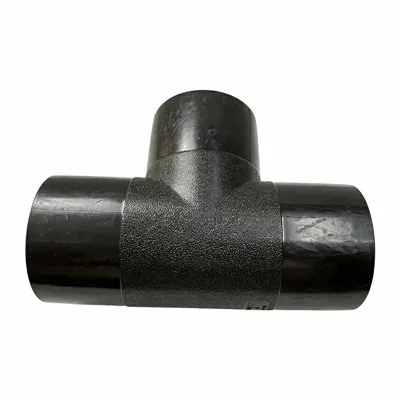
First off, what are electrofusion fittings anyway? They’re basically a type of fitting used to connect pipes together. They work by using an electric current to heat up a heating element inside the fitting, which then melts the plastic of both the fitting and the pipe. Once they cool down, they form a strong, leak – proof joint. It’s a pretty nifty technology.
Now, when it comes to industrial pipelines, there are a whole bunch of requirements that these pipelines need to meet. Industrial pipelines are used in all sorts of industries, like oil and gas, chemical manufacturing, water treatment, and power generation. Each of these industries has its own unique set of conditions that the pipelines must withstand.
One of the biggest concerns in industrial pipelines is the pressure. Industrial processes often involve high – pressure fluids or gases flowing through the pipes. Electrofusion fittings are designed to handle a significant amount of pressure. The fusion process creates a joint that’s as strong, if not stronger, than the pipe itself. In fact, many electrofusion fittings are pressure – rated, which means they’ve been tested to ensure they can handle a specific amount of pressure without failing. For example, in a water treatment plant, where water is pumped at relatively high pressures to different parts of the facility, electrofusion fittings can provide a reliable connection that won’t burst under pressure.
Corrosion is another major issue in industrial pipelines. In industries like chemical manufacturing, the fluids flowing through the pipes can be highly corrosive. Traditional metal fittings can rust and corrode over time, which can lead to leaks and contamination. The good news is that electrofusion fittings made from materials like polyethylene are highly resistant to corrosion. Polyethylene is inert to most chemicals, so even if it’s in contact with corrosive substances, it won’t break down easily. This makes electrofusion fittings a great choice for industrial pipelines that carry corrosive fluids or are installed in corrosive environments.
Temperature is also a crucial factor. Some industrial processes generate a lot of heat, while others operate in extremely cold conditions. Electrofusion fittings can handle a wide range of temperatures. Polyethylene fittings, for example, can typically operate in temperatures ranging from – 40°C to 60°C. This wide temperature tolerance means that electrofusion fittings can be used in various industrial applications, from high – temperature chemical reactions to cold storage facilities.
Ease of installation is yet another advantage of using electrofusion fittings in industrial pipelines. Installing traditional fittings can be a real pain in the neck. It often involves welding, threading, or using complex sealing mechanisms. With electrofusion fittings, the installation process is much simpler. All you need is a power supply and the appropriate electrofusion welding machine. The machine controls the heating process precisely, ensuring a consistent and reliable joint. This not only saves time but also reduces the chances of human error during installation.
Another benefit is the long – term reliability. Once an electrofusion joint is made, it forms a homogeneous bond with the pipe. This means there are no weak points or potential leak paths at the joint. In industrial settings, where a single leak can cause significant damage, including environmental pollution, product loss, and safety hazards, the reliability of electrofusion fittings is a major plus.
Now, let’s talk about some potential drawbacks. One of the main concerns is the initial cost. Electrofusion fittings and the welding equipment can be more expensive than traditional fittings and installation methods. However, when you consider the long – term benefits, such as reduced maintenance costs, longer service life, and lower risk of leaks, the initial investment often pays off.
Another potential limitation is the need for proper training. To ensure a successful electrofusion joint, the installer needs to be trained on how to use the equipment correctly. Incorrect installation can lead to a weak joint or even a failure. But hey, most suppliers, including me, offer training programs to make sure that installers know what they’re doing.
In conclusion, electrofusion fittings can definitely be used in industrial pipelines. They offer a range of benefits, including high pressure resistance, corrosion resistance, wide temperature tolerance, ease of installation, and long – term reliability. Sure, there are some challenges, like the initial cost and the need for training, but these are minor compared to the advantages.
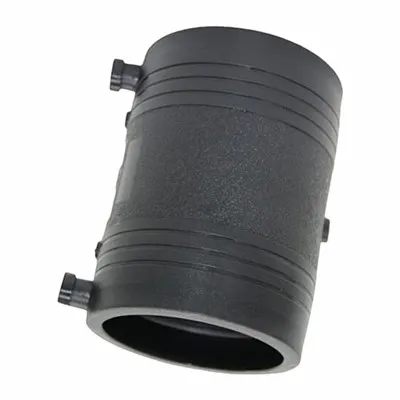
If you’re in the market for electrofusion fittings for your industrial pipeline project, I’d love to chat. Whether you have questions about the product, need help with sizing, or are just looking for some advice, I’m here to assist. Reach out to me, and let’s start a conversation about how electrofusion fittings can meet your specific industrial needs.
Butt Fusion Fittings References:
- "Plastic Pipes Handbook" by Berndt – Michael Rode
- Industry reports on pipeline materials and fittings
Qingdao Polyfusion Machinery Co., Ltd.
As one of the most professional electrofusion fittings manufacturers and suppliers in China, we have world-leading production equipment and strong manufacturing capabilities. Please feel free to buy bulk high quality electrofusion fittings from our factory.
Address: Chengyang Industry Zone, Chengyang, Qingdao, Shandong, China
E-mail: export01@qdpolyfusion.com
WebSite: https://www.polyfusionfittings.com/
