What are the certifications for Antistatic PVC? Antistatic PVC
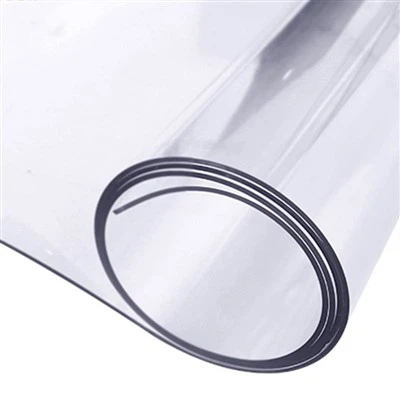
Hey there! I’m an antistatic PVC supplier, and I often get asked about the certifications for antistatic PVC. You know, in today’s market, where quality and safety are super important, having the right certifications for our products is a must. It’s like a stamp of approval that tells our customers that what they’re getting is top – notch. So, let’s dive right in and talk about the main certifications for antistatic PVC!
First up, we’ve got the RoHS certification. RoHS stands for Restriction of Hazardous Substances. This is a huge deal. It ensures that our antistatic PVC products don’t contain any of the restricted hazardous materials. We’re talking about things like lead, mercury, cadmium, hexavalent chromium, polybrominated biphenyls (PBB), and polybrominated diphenyl ethers (PBDE). These substances can be really harmful to the environment and human health.
As a supplier, I’m always on top of making sure our products meet the RoHS standards. Why? Well, it’s not just about following the rules. Customers have become more environmentally aware, and they want to buy products that are safe for both them and the planet. When we have the RoHS certification on our antistatic PVC, it gives our clients that extra peace of mind. They know that the PVC they’re using in their applications, whether it’s for electronics packaging or something else, isn’t going to cause any long – term damage.
Another important certification is UL certification. UL, which stands for Underwriters Laboratories, is a well – known and respected organization in the industry. Their certification means that our antistatic PVC has been tested thoroughly for safety and performance.
UL has several different standards. For example, UL 94 is about the flammability of plastic materials. If our antistatic PVC passes the UL 94 test, it shows that it has a certain level of fire resistance. This is crucial, especially in industries where fire safety is a top concern, like in electrical and electronics applications.
When a customer sees that our antistatic PVC has the UL certification, they know that it has gone through rigorous testing. UL doesn’t just hand out certifications easily. They have strict procedures and criteria that our products need to meet. This gives our clients the confidence that the antistatic PVC they’re purchasing will perform as expected and keep their operations safe.
Now, let’s talk about ISO certifications. There are a few ISO certifications that are relevant to antistatic PVC. ISO 9001 is all about quality management systems. Having this certification means that we have a well – structured and documented quality management process in place.
For us as a supplier, this means that every step of the production process, from sourcing the raw materials to the final packaging of the antistatic PVC, is carefully monitored and controlled. We make sure that our products are consistent in quality from batch to batch. When our customers order from us, they can expect the same high – quality antistatic PVC every time.
ISO 14001 is related to environmental management. It shows that we’re committed to reducing our environmental impact. We take steps to manage our waste, conserve energy, and minimize pollution during the production of our antistatic PVC. This is in line with the growing trend of sustainable business practices. When customers care about the environment, they’ll appreciate that our antistatic PVC is produced in an environmentally friendly way.
And then there’s ISO 45001, which focuses on occupational health and safety. This certification proves that we take the well – being of our employees seriously. By having a safe working environment, we can ensure the quality of our products. After all, happy and safe workers are more likely to produce high – quality goods. When customers see this certification, it shows that we’re a responsible company.
There’s also the ASTM certification. ASTM International develops and publishes technical standards for a wide range of materials and products, including plastics. For antistatic PVC, the relevant ASTM standards ensure that the product meets certain performance criteria.
For example, ASTM standards might cover things like the surface resistivity of the antistatic PVC. Surface resistivity is a key property for antistatic materials. It determines how well the material can dissipate static electricity. If our antistatic PVC meets the ASTM standards for surface resistivity, it means that it’s effective at preventing static buildup, which is exactly what our customers are looking for.
Now, you might be wondering why these certifications matter so much for a customer. Well, think about it from their perspective. If they’re using antistatic PVC in a high – tech electronics manufacturing process, they need to be sure that the material won’t cause any static – related problems like electrostatic discharge (ESD). ESD can damage sensitive electronic components, leading to costly production delays and defective products.
By choosing antistatic PVC with the right certifications, customers can be more confident in the performance of the material. They know that it has been tested and proven to meet industry – recognized standards.
As a supplier, I’m really proud that our antistatic PVC products have these certifications. They are a testament to our commitment to quality, safety, and environmental responsibility. We’ve worked hard to make sure that our production processes are up to par and that our products can stand up to the strictest tests.
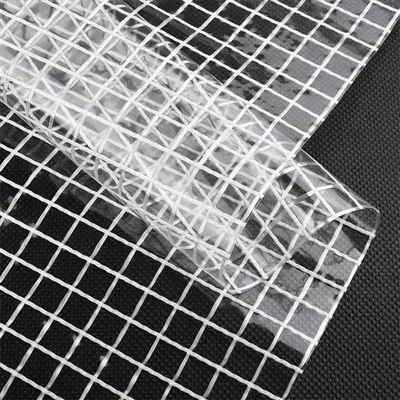
If you’re in the market for antistatic PVC, don’t just settle for any product. Look for those with the proper certifications. And if you’re interested in our antistatic PVC products, we’d love to talk to you. Whether you’re a small – scale manufacturer or a large – scale industrial company, we can provide you with the high – quality antistatic PVC that meets your needs. Reach out to us to start a conversation about your requirements, and let’s see how we can work together to get you the best antistatic PVC solutions.
PVC Tarpaulin References
- RoHS Directive 2011/65/EU and its subsequent amendments
- UL Standards for Safety, specifically UL 94
- ISO 9001:2015 Quality management systems – Requirements
- ISO 14001:2015 Environmental management systems – Requirements with guidance for use
- ISO 45001:2018 Occupational health and safety management systems – Requirements with guidance for use
- Relevant ASTM standards for plastics and antistatic materials
Nantong Dahe Composite New Material Technology Co., Ltd.
We’re well-known as one of the leading antistatic PVC manufacturers and suppliers in China, specialized in providing high quality customized products to global clients. Please feel free to wholesale cheap antistatic PVC in stock here from our factory. Contact us for quotation and free sample.
Address: South Side of Pinghai Highway, Pinghe Village, Dongshe Town, Tongzhou District, Nantong City, Jiangsu Province, China
E-mail: nantongdahe@outlook.com
WebSite: https://www.cndahetech.com/
