Alright, let’s cut to the chase—if you’re knee-deep in auto manufacturing or sourcing parts, you know plastic isn’t just “cheap filler” anymore. Back in the day, metal ruled everything under a car’s hood, but now? Auto plastic parts are the unsung heroes keeping vehicles light, safe, and budget-friendly across every model you see on the road. As a supplier who’s been grinding in this space for years, I’ve seen how different vehicle types (from tiny commuter hatchbacks to heavy-duty trucks, even electric SUVs) use these parts in totally different ways—so let’s break it down like we’re chatting in a parts warehouse, no stuffy jargon. Auto Plastic Parts

First off, let’s talk about compact commuter cars—you know, those little hatchbacks and sedans designed for city dwellers who just need to zip to work and back, no frills. These models live or die by fuel efficiency, right? Every pound shaved off adds a tiny bit more MPG, and plastic parts are perfect for that. Take door panels, for example. In old metal-door cars, you had heavy steel frames and thick metal skins, but now most compact cars use injection-molded thermoplastics for door interiors and exteriors. Wait, not just any plastic—polypropylene (PP) is king here because it’s flexible, scratch-resistant, and super cheap to mold. Oh, and those little dashboard components? The air vents, the glove box door, even the center console tray? All plastic. What’s cool is that for commuter cars, these parts don’t need to be fancy—they just need to hold up to door slams, coffee spills, and grocery bags banging around. I supply a lot of PP door inserts to compact car lines, and the feedback is always the same: they cut 15-20 pounds per door compared to metal, which adds up to better gas mileage without skimping on durability. Even the under-hood stuff here is plastic—engine covers, intake manifolds, even the coolant reservoir. Metal intake manifolds used to rust and crack in cold weather, but molded nylon-reinforced plastic ones don’t, and they’re way lighter. For commuter cars, it’s all about “good enough” that doesn’t break the bank, and plastic delivers that in spades.
Next, let’s move to midsize family sedans and crossovers. These are the workhorses—they haul kids, groceries, camping gear, and weekend trips, so their plastic parts need to be a step up from commuter cars. Safety is huge here too, because families rely on these vehicles to protect their most precious cargo. So what’s different? First, exterior trim. Midsize cars get way more exposed to road grime, rocks, and parallel parking scrapes, so we use more impact-modified polyolefins—still plastic, but blended with additives to be way more resistant to dents and chips. Think the side mirror housings, the front bumper covers, the fender flares. Bumpers, for example, used to be heavy steel bars with plastic skins, now they’re almost entirely molded plastic with built-in energy absorbers. Wait, that’s a big safety win! When you hit a curb or another car at low speed, the plastic bumper flexes and absorbs the impact, so it doesn’t crumple like metal. I remember a customer who builds midsize crossovers told me their plastic bumpers reduced collision repair costs by 30% because they just bend back after a fender bender, not crack. Inside, midsize cars have more premium plastic parts too—soft-touch dash pads made from thermoplastic olefin (TPO) so they don’t feel like hard plastic when your kid kicks them, and USB ports that are molded into plastic trim pieces instead of metal (way safer if you bump your knee). Also, these cars have way more entertainment and tech features, so the plastic parts have to be precision-molded to fit touchscreens and infotainment buttons. I recently supplied a batch of plastic instrument cluster housings for a midsize sedan, and the tight tolerance meant no gaps around the screen—way better than metal, which can warp and create those annoying gaps over time.
Now, let’s talk about the big ones: heavy-duty pickup trucks and commercial vans. These aren’t your family cars—they’re hauling 5,000 pounds of construction materials, towing trailers, and going off-road on dirty job sites. Their plastic parts have to be unbreakable, plain and simple, not just light. Wait, but they still need to be light too—even trucks care about fuel efficiency when they’re idling all day. So what do we use here? High-performance engineering plastics, that’s what. Take cargo beds. A lot of modern pickup trucks have plastic bed liners now, right? Not the thin rubber mats—molded cross-linked polyethylene (XLPE) liners that resist dents, scratches, and chemical spills (like motor oil or concrete drips). I’ve seen these liners hold up when someone drops a 50-pound cinder block on ’em—no scratch, no dent. Even the truck’s grille and hood panels? Wait, some heavy-duty trucks use plastic hoods now because metal hoods are super heavy when you’re working on the engine (literally—you lift it every time you check oil). A plastic hood cut 40 pounds off a truck’s front end, and it’s still strong enough to hold up if you hit a deer. Inside, commercial vans have plastic floor mats made from rigid thermoplastic rubber (TPR) that’s way easier to clean than carpet—just hose it off after a dirty work day. Also, these vehicles need parts that can handle extreme temps—like -40°F in the North or 120°F in the Southwest. So we use heat-stabilized polyamides (nylon) for things like fuel lines, because metal lines can corrode when exposed to salt or chemicals for years, but nylon lines are flexible and don’t rust. A friend who runs a delivery van fleet told me they replaced all their metal fuel lines with our plastic ones and cut maintenance calls by 40% over two years. That’s the kind of win we love as suppliers—parts that don’t just fit, they last.
Wait, and let’s not forget about electric vehicles (EVs)—they’re a whole separate beast, and their plastic parts are even more critical. EVs don’t have big gas engines, so they rely on lightweight parts to extend battery range. That means every pound saved adds real miles—so auto plastic parts here are not just important, they’re core to the car’s performance. Let’s start with the battery pack. The whole battery housing? A lot of EV manufacturers use molded plastic composite (usually fiberglass-reinforced PP) for the outer casing, instead of the heavy aluminum used in gas cars’ engine bays. Wait, that’s a big one—cutting 50 pounds off the battery housing adds 10-15 miles of range, easy. Also, the interior of EVs is way more minimal—no gear shift lever, just buttons on the dash. So those plastic components have to be sleek, but also safe. They use flame-retardant plastics for areas around the battery, because even though EV batteries are sealed, you don’t want any plastic catching fire if there’s an issue. Externally, EVs have “closed grilles” instead of the big metal grilles on gas cars (since they don’t need air for a radiator). Those closed grilles are almost entirely plastic, molded to be aerodynamic—less air drag means better range. I’ve been supplying closed grille assemblies to a few EV startups lately, and they love that we can mold them in one piece instead of multiple metal parts, which cuts down on production time and cost. Even the wheels? Some EVs are starting to use plastic composite wheel covers, which are way lighter than aluminum wheels, helping with range. Oh, and the interior door handles—EVs often use touch-sensitive buttons instead of physical handles, molded into plastic trim, which saves space and weight. It’s wild how plastic has gone from afterthought to the backbone of EV design.
Wait, hold up—let’s make sure I’m not leaving out anything for specialty vehicles, like luxury sports cars? Yeah, those are a whole other category too. Luxury sports cars don’t care about fuel efficiency as much as they care about performance and looks. So their plastic parts are high-end, not just functional. For example, carbon fiber-reinforced plastic (CFRP) is used for body panels—like hoods, doors, even roof panels. It’s way lighter than steel or aluminum, super strong, and can be molded into sleek, aerodynamic shapes that metal can’t. But it’s more expensive, so it’s only for sports cars and high-end luxury models. Even the interior of sports cars uses high-gloss plastic trim that looks like real wood or metal, but is way lighter. A lot of luxury car brands use our TPO with a high-gloss coating for their dash trim, because it looks premium but is way cheaper and more durable than real metal, which scratches easily. I’ve also supplied plastic side skirts for sports cars that are designed to improve aerodynamics, so they’re not just cosmetic—they help the car go faster.
Now, let’s be real—there’s a common misconception out there that plastic parts are flimsy and low-quality. Nope, not anymore. As a supplier, I’ve seen the tech change so much in the last 10 years. We’ve got injection molding tech that can create parts with almost zero gaps, composite materials that are stronger than steel, and additives that make plastic resist everything from extreme heat to UV rays. But here’s the thing: every vehicle type has different needs, so you can’t just use the same plastic part for a commuter car and a heavy-duty truck. For city commuters, it’s about saving gas and cost. For family cars, it’s about safety and durability. For trucks and vans, it’s about withstanding abuse. For EVs, it’s about extending range. For sports cars, it’s about performance and looks. That’s why as a supplier, I don’t just send out generic parts—we work closely with manufacturers to tweak the plastic blend, the molding process, the thickness, to fit exactly what their model needs.
Wait, let’s talk about a recent project I did to make this real. A customer who builds compact electric commuter cars came to me last year. They needed to replace a metal intake manifold that was adding too much weight and rusting too easily. We worked with their engineering team to develop a glass-reinforced nylon 6/6 part, molded to their exact specs. It’s 25% lighter than the old metal one, doesn’t rust, and costs 15% less to produce. They told me that switching to our plastic parts added 5 miles to their EV’s range—small number, but for a compact commuter, that’s a huge win for drivers who need to go further on a charge. That’s the kind of difference these parts make.
But it’s not just about performance—plastic parts are also better for the environment, if you do it right. A lot of auto plastic parts are now made from recycled materials, or are fully recyclable at the end of the car’s life. I’ve been supplying recycled PP door panels for midsize sedans, which cuts down on the amount of plastic going to landfills. That’s a big selling point for manufacturers, especially as more countries push for stricter emissions and sustainability rules.
Now, if you’re someone who works in auto manufacturing, sourcing parts for a new model line, or even a mechanic looking to understand why plastic parts are everywhere, here’s the takeaway: auto plastic parts aren’t one-size-fits-all. They’re tailored to every vehicle’s purpose. The plastic in a Honda Civic is totally different from the plastic in a Ford F-150, which is different from the plastic in a Tesla Model Y. As a supplier, that’s what I pride myself on—knowing exactly what each model needs, and delivering parts that don’t just meet specs, but exceed them.
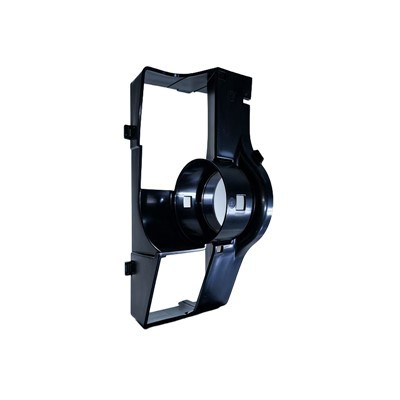
If you’re ready to chat about sourcing auto plastic parts for your next vehicle model, whether it’s a commuter hatchback, a heavy-duty truck, an EV, or something in between, hit me up. No generic sales stuff, just straight talk about what works and what doesn’t for your build.
Automotive Plastic Air Vent Housing References
- Society of Plastics Engineers. Automotive Plastics: Trends and Applications, 2023
- International Energy Agency. Electric Vehicle Lightweighting: The Role of Advanced Materials, 2022
- American Trucking Associations. Commercial Vehicle Maintenance: Material Performance Data, 2021
- J.D. Power. Vehicle Safety: Bumper System Performance Analysis, 2023
Ningbo Xiaohua Plastic Industry Co., Ltd.
We are one of the most experienced auto plastic parts manufacturers and suppliers in China, specialized in providing high quality customized service to global clients. We warmly welcome you to wholesale durable auto plastic parts in stock here from our factory.
Address: No. 878, Gulin Section, Yinxian Avenue, Haishu District, Ningbo City, Zhejiang Province
E-mail: 13736009355@163.com
WebSite: https://www.cnxiaohua.com/
