Hey everyone, let’s cut to the chase – if you’ve ever stared at a stainless steel vacuum insulated mug at a gas station, office supply store, or even your cousin’s overcrowded camping gear shelf, you’ve probably wondered: “How much actual stuff can this thing hold? I swear some of these claim 20oz and feel like they only fit a lukewarm soda.” As a supplier of these mugs for the last 8 years, I get way too many DMs and sales calls from people asking this exact question. It’s not just a random number, either – it’s the make-or-break difference between a coffee mug that gets you through a morning meeting and one that leaves you scrambling for a refill by 10am, or a travel mug that works for cross-country road trips vs. one that’s only good for a quick run to the grocery store. Stainless Steel Vacuum Insulated Mug
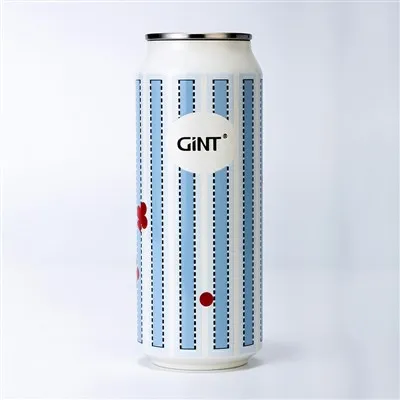
First off, let’s get one thing straight: when we say “capacity” for a vacuum insulated mug, we’re not just pulling a number out of thin air. It’s not like guessing how much your friend’s backpack can hold – there are actual dimensions we use, and the sweet spot depends entirely on what you’re actually going to use the mug for. Let’s start with the basics of how these mugs are built, because that’s half the reason their numbers line up (or don’t) the way they do. A stainless steel vacuum insulated mug is basically two nested metal cups – an inner cup and an outer cup – with all the air sucked out of the gap between them. No air means no heat transfer, which is why they keep drinks hot or cold for hours. But that gap isn’t empty space we can use for liquid; that’s structural, so the mug doesn’t crumple when you toss it in your car cup holder or stuff it in a bag. So every millimetre of that double wall adds a tiny bit to the outside circumference, but it also cuts into the actual liquid space. That’s why a 12oz mug from one brand might feel smaller than a 12oz mug from another – some brands skimp on the wall thickness, but we never do that, because we’d rather give you the actual usable space than fudge numbers to hit a marketing label.
Now, let’s talk real, usable capacities, not the stuff that sounds good on a shelf. The most common range we see, and the one that sells the most, is 12oz to 20oz. Wait, but let’s break down those numbers like you’re the one holding the mug in your hand. A 12oz mug? That’s perfect for a single, standard-sized coffee shop latte, or a kid’s hot chocolate for a soccer practice. It’s tiny enough to slip into a small purse or a jacket pocket, too. Our 12oz models have an actual usable capacity of 12 fluid ounces, by the way – we never include extra dead space at the top (that’s called a “headspace,” for the people who care) to make the number look bigger. A 16oz is the workhorse, though. That’s the one I keep on my desk every day – fits a full pot of my dark roast coffee, no refills until lunch, and it’s just wide enough to add a splash of milk without spilling all over my keyboard. If you’re a commuter who stops for coffee on the way to work, a 16oz is non-negotiable. It’s also the go-to for hikers who don’t want to carry something too heavy, but still need enough hot water for their instant oatmeal or a big sip of tea mid-trail.
Then there’s the 20oz and above crowd. That’s for people who are doing longer trips, or just really, really hate refilling. I’ve had a lot of truck drivers tell us their go-to is a 22oz model – it fits a full 20oz (again, usable, not marketing) of coffee, plus a little extra headspace so they don’t get burned when they take the first sip, and it fits perfectly in the cup holder of a big rig. We also do 30oz and even 40oz mugs for people who are really committed. Those are the ones you see at baseball games or camping weekends – a 40oz can hold an entire bottle of iced tea, or enough hot cocoa to keep you warm through a three-hour winter campfire. But here’s the thing about the bigger ones: they’re heavier, obviously, and they don’t fit in regular car cup holders. So if you’re grabbing a mug to drive to the office, a 30oz is probably too wide, and you’ll end up spilling it in traffic. I learned that the hard way – a couple years back, I tried using a 30oz for my daily commute, and spent a whole day mocha all over my center console. Not a fun look.
Wait, but what about the grey area? There are some mugs that claim “20oz” but only hold 18oz, and some that say “12oz” and hold 11.8oz. Why is that? A lot of it has to do with that double-wall gap I mentioned earlier. If a brand uses thin, cheap stainless steel, they can make the inner cup almost 100% of the outer cup’s size, so their “20oz” is actually only 19oz of liquid, but they mark it as 20 to look better. But at our company, we use food-grade 18/8 stainless steel – that’s the stuff that doesn’t leach metal into your drinks, right? And we make the wall thick enough to last for years, not months. So that means we have to leave a tiny bit of extra space between the inner and outer cup, so our “20oz” is actually 19.8oz of usable liquid – almost exactly the number we mark, because we don’t do the fake marketing math. Also, some brands measure capacity by total volume, including the headspace at the top, but we measure the actual liquid volume – what you’ll pour into the mug and drink. That’s a big difference. A mug might have a total internal volume of 21oz, but because we don’t recommend filling it all the way (you need that space to keep hot drinks from spilling when you tilt it, and to let the vacuum work properly), we call it 20oz. That’s honest, and we’d rather have customers trust us than lie about numbers.
Another thing most people don’t know: capacity is tied to how well the vacuum insulation works. Wait, why? Let’s think about it. A mug that’s too big for its insulation will waste space. Like, if you have a 30oz mug, but the insulation is only built to keep 20oz hot, the extra 10oz of empty space in the inner cup doesn’t do anything – it just makes the mug heavier. We design every size specifically so the vacuum gap is matched to the inner cup size, so you get maximum insulation for the actual liquid you put in. That’s why our mugs keep coffee hot for 12 hours, not 8 – we don’t oversize the insulation to hit a big capacity number, we match it. I’ve seen cheap mugs that claim 40oz and only keep drinks warm for 2 hours, because they skimped on the insulation to make the inner cup bigger. Not worth it. You’d rather have a 20oz that keeps your coffee hot all morning than a 40oz that’s lukewarm by 9am.
Let’s talk about some real-world use cases to make this concrete, because numbers are useless if you can’t picture it. If you’re a student: 12oz is enough for a small coffee before class, but if you’re pulling a late-night study session, go for 16oz. That fits a full pot of coffee, and will keep it hot until your exam starts. If you’re a parent: 16oz is perfect for drop-off line coffee, or filling up a thermos for your kid’s snack. The lid is not too big to pass to them easily, and it doesn’t spill if you set it down in the car. If you’re a hiker or camper: 20oz is the sweet spot for day hikes – light enough to carry on your backpack, enough for 2-3 big sips, and fits in a standard backpack side pocket. For overnights, 30oz is great – you can heat water for coffee and oatmeal, and have enough left over for another drink later.
I get asked all the time: “What size should I buy?” The answer is, it depends on how much you actually need. If you only drink one small cup a day, don’t buy a 40oz. You’ll just end up leaving half of it in the mug, and it’ll get cold before you finish. If you’re on a long road trip, don’t buy a 12oz. You’ll be stopping every hour to refill, which is annoying and a waste of gas. Our advice? Start with a 16oz – it’s the most versatile size, works for commuting, desk use, hiking, and even short trips. Then, if you need something bigger, go up to 20 or 25, and if you’re a hardcore camper or truck driver, go for the 30 or 40.
Wait, also, let’s clear up a common myth: the shape affects capacity, not just the label. A lot of people think “tall and skinny” mugs hold less than “short and wide” ones, but that’s only if the labels are the same. A 16oz tall mug will hold the same as a 16oz short mug, as long as the inner cup volume is the same. The only difference is how they fit – tall ones fit in cup holders better, short ones are easier to set on a desk without tipping over. We make both shapes, so you can pick what works for you, not just what the label says.
Another thing we’ve noticed over the years: a lot of customers buy the wrong size and end up returning it, or buying a second one that’s the right size. That’s why we started putting actual usable capacity on every product page, not just the marketing label. Like, our product for sale says “16oz Vacuum Insulated Mug – Actual Liquid Capacity 15.8oz” – that’s not a typo, that’s us being honest. We don’t want you to buy a mug thinking it’s bigger than it is, because that’s a waste of your money. We’d rather you get the right size the first time, and love it, than have to go through the hassle of returning it.
Let me also talk about why this matters beyond just convenience. I’ve had customers tell us that a wrong-sized mug was a safety issue. Like, if you fill a 20oz mug all the way with hot coffee, and it spills on your lap while you’re driving, that’s a burn. But if you know the actual capacity, you leave a little headspace, so when you tilt it to take a sip, only the liquid you drank comes out, not a whole cup full. Also, if you’re using the mug for cold drinks, a too-big mug will have too much air in it, so the ice melts faster. We did a test last year – put 10oz of ice water in a 16oz mug and a 16oz of ice water in a 16oz mug. The one with exactly the right capacity had ice left after 6 hours, the one with too much air had no ice left after 4. That’s a big deal if you’re at a BBQ or a picnic on a hot day.
So, to wrap this up: the capacity of a stainless steel vacuum insulated mug isn’t just a random number on a label. It’s the actual amount of liquid it can hold, minus the space needed for insulation and safety headspace, and it’s tied directly to what you’ll use the mug for. The most common and versatile sizes are 12oz to 20oz, but there are bigger options for longer trips and bigger needs. The key is to buy a mug with honest, actual capacity numbers (not marketing fluff) that fits your daily routine.
If you’re in the market for a new mug, or just want to replace that old one that only keeps coffee warm for an hour, feel free to reach out to us. We can help you pick the right size for your commute, hiking trips, desk, or whatever you need. No pressure, just honest advice from a company that’s been making these mugs for years, and knows exactly how they work. Let’s stop guessing and get the right mug for you – your morning coffee (or iced tea, or hot cocoa) will thank you.
Stainless Steel Vacuum Insulated Mug References
- National Sanitation Foundation (NSF). (2022). Food-Grade Stainless Steel Specifications for Food Service Equipment.
- International Organization for Standardization (ISO). (2019). Vacuum Insulated Containers for Hot and Cold Liquids – Safety and Performance Requirements.
- American Society for Testing and Materials (ASTM). (2021). Standard Test Method for Thermal Performance of Vacuum Insulated Drinkware.
Jiaxing Huading Vacuum Flask Technology Co., Ltd.
With abundant experience, we are one of the most professional manufacturers and suppliers of stainless steel vacuum insulated mug in China. Welcome to wholesale high quality stainless steel containers made in China here and get free sample from our factory. We also accept customized orders.
Address: No.628 Xingping First Road Pinghu Zhejiang China
E-mail: yangdongyan@gint.cc
WebSite: https://www.huadingtop.com/
