When I first started working as a fire rated glass supplier over a decade ago, I spent countless hours on construction sites, hearing architects and facility managers ask one question more than any other: “Does this glass actually keep sound out?” Back then, I had to admit I was still learning the ins and outs of how our products performed beyond their core fire protection promise. Today, I can answer that question with confidence—and if you’ve ever wondered about the sound-proofing capabilities of fire rated glass, you’re in the right place. This isn’t just theory; it’s based on years of testing, installations in everything from corporate offices to hospitals, and the real-world feedback from the people who use our glass every day. Fire Rated Glass
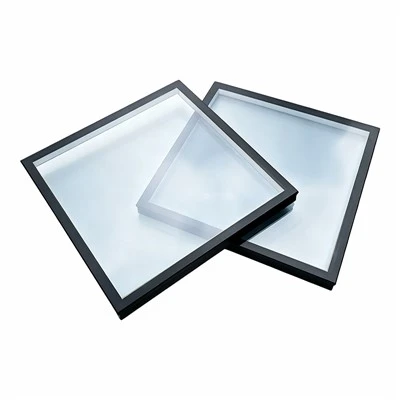
Let’s start with the basics, because that’s where most of the confusion lives. Fire rated glass isn’t just a single product—it’s a category designed to meet specific fire safety standards, like resisting heat and flames for 20, 45, 60, or even 90 minutes, depending on the project. The sound-proofing (or sound insulation, in industry terms) comes from how that glass is constructed, not just its fire rating. You see, standard clear glass is thin—usually 3mm to 6mm—and it does a terrible job of blocking sound. A single pane of 5mm clear glass might only knock 20 decibels (dB) off noise coming from outside, which is barely enough to mask a busy street. Fire rated glass is built differently. Most of our fire rated glass products are either laminated fire glass or insulated glass units (IGUs) with a fire-rated core, and those extra layers are what make the biggest difference for sound.
I’ll break down the two main types of fire rated glass we supply, because their sound capabilities vary, and that’s critical to know for your project. First, laminated fire rated glass. This is made by sandwiching a special fire-resistant plastic layer between two or more sheets of glass. The plastic isn’t like the stuff you see in regular laminated glass—it’s engineered to expand when exposed to heat, forming a char barrier that stops flames from passing through. For sound, the laminated design is a game-changer. The interlayer and the multiple glass panes break up sound waves, which bounce off different surfaces instead of traveling through. From our internal testing and third-party labs, a single pane of 10mm laminated fire rated glass can deliver a sound transmission class (STC) rating of around 35. For anyone who doesn’t speak STC: that means it blocks about 35 decibels of sound. To put that in perspective, a normal conversation is about 60 dB, so 35 dB of insulation would turn a loud chat into a soft murmur you can barely hear through the glass.
But wait—if you need more sound protection, laminated fire rated glass can be thicker, right? Absolutely. We offer laminated fire glass up to 25mm thick, and the STC rating jumps as you add layers. A 25mm thick laminated fire rated glass typically hits an STC of 40. That’s enough to block most office chatter, road traffic, or even the hum of a HVAC system from a nearby room. For hospitals or recording studios, where sound control is non-negotiable, we also make a version with an extra acoustic interlayer added to the fire-rated plastic. That pushes the STC up to 45, which is similar to the sound insulation of a good interior wall. It’s still fire-rated, so you don’t have to choose between safety and comfort—something a lot of people didn’t believe was possible years ago.
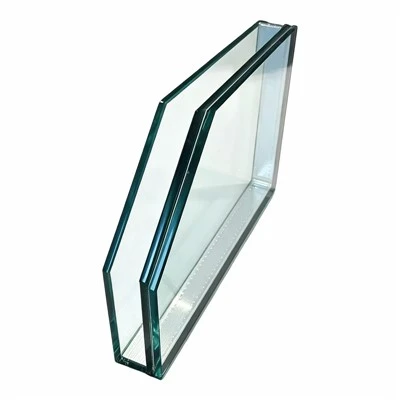
Now, the other big type: insulated fire rated glass units (IGUs). These are two separate panels of fire rated glass sealed together with a gap in between, usually filled with argon gas (which helps with both insulation and sound). The gap is key here—air is a very poor conductor of sound, so that space between the two panes adds a lot of insulation. An IGU with two 6mm panes of fire rated glass and a 12mm air gap usually has an STC rating of 38, which is a bit higher than a single laminated pane. If you increase the air gap to 16mm, that jumps to 42, which is great for spaces facing busy roads or airports. The trade-off, though, is that thicker IGUs might be more expensive and require slightly larger frames, so we always work with our customers to balance their fire safety needs, sound goals, and budget.
Here’s a question we get all the time: how does fire rated glass stack up to regular acoustic glass? Let’s be honest—standard acoustic glass is slightly better for sound, but only if there’s no fire requirement. If you need both, fire rated glass is the way to go. I remember a project a few years ago: a new corporate headquarters in downtown Chicago, where the architect wanted floor-to-ceiling glass for the lobby. The front of the building faced a busy commuter train line, so sound control was a must, but they also needed the lobby to meet local fire codes for atriums. We installed our 18mm laminated fire rated glass with an acoustic interlayer, and when the project was done, the client sent us a note saying that from inside the lobby, the trains sounded like they were three blocks away instead of 50 feet. They also passed all the fire inspections with zero issues. That’s the kind of result that makes this job worth it.
But it’s not just about STC ratings—there’s another factor that affects how fire rated glass performs in real life: installation. I’ve seen so many good glass products ruined by bad installation, and fire rated glass is no exception. The frames, the seals around the glass, even the type of putty used to secure it all matter for sound and fire performance. For example, if you install fire rated glass with a standard silicone seal instead of a fire-rated intumescent seal, that seal might fail if there’s a fire, which compromises safety—but it also leaves gaps that let sound seep through. We train every client’s installation team (or our in-house certified installers, if they choose) on how to properly set up our glass. We always say: a glass is only as good as the way it’s installed. I’ve had customers try to cut corners by using cheaper installers, only to call us a few months later complaining about sound leaks. We’ll give them a free inspection and show them where the gaps are, and 9 times out of 10, fixing the installation brings the sound insulation right back up to the rated STC.
Another common misconception: small vs. large glass panels. A lot of people think a bigger piece of fire rated glass will have worse sound performance, but that’s not entirely true. Sound can travel through any gap, whether the panel is 2 feet wide or 10 feet wide. The main thing is that the edges are properly sealed and the glass itself is constructed with enough layers to break up sound waves. We’ve installed fire rated glass panels over 12 feet tall in airport terminals, and their STC ratings hold as well as smaller panels. The only time size matters is if you’re using very thin fire rated glass for large panels—thin glass can vibrate a bit more, which creates more sound transmission. That’s why we only use thicker, multi-layered glass for large applications where sound is a concern.
Let’s talk about real-world use cases, because that’s where this all comes to life. If you’re outfitting a hotel conference room that’s next to a hallway where guests are coming and going, our 10mm laminated fire rated glass with an STC of 35 is perfect—it will block most of the foot traffic and chatter. If you’re building a school’s music room that’s adjacent to a classroom, you’ll want the 25mm thick laminated fire glass with an STC of 40 to keep the violin practice from disrupting math class. For a hospital’s operating room, where silence is critical and fire safety is non-negotiable, our 45 STC fire rated glass is the standard choice—it blocks equipment hum, staff conversations, and outside noise. And for a residential home in a neighborhood next to a busy highway, our fire rated IGUs with a 16mm air gap and an STC of 42 work both as a security measure (wait, did I mention fire rated glass is also strong?) and a sound barrier, so you don’t have to choose between safety and peace at home.
I should also address the difference between static and dynamic sound, because that’s a big one for people who live near busy roads or airports. Static sound is constant, like a highway’s low hum, while dynamic sound is sudden, like a door slamming or a train horn. Fire rated glass does an excellent job with both, but the extra interlayer and thicker panes help more with dynamic sound, since they absorb the shock of the sudden sound waves. Our customers who live near airports tell us that our fire rated glass makes takeoff and landing noise so much more bearable, and that’s because the layers break up the sharp, sudden sound before it can travel through.
Now, if you’re thinking about using fire rated glass for sound control, there are a few things we always recommend checking first. First, confirm the local fire code requirements for your space—you can’t just pick any fire rated glass; it has to meet the specific rating for your project (20 minute vs. 60 minute, for example). Second, think about the noise level you’re trying to block. If you’re near a busy road (about 70 dB), you’ll need a higher STC than if you’re just trying to block a neighbor’s lawnmower (about 85 dB? No, wait, a lawnmower is about 90 dB—so you’ll need enough STC to reduce that below the normal conversation level of 60 dB, which means at least 30 STC, but 35 is better). Third, talk to a supplier that actually tests their products—there are a lot of fire rated glass suppliers out there that don’t publish their third-party test reports, and you don’t want to find out their glass doesn’t perform as advertised when you’re dealing with a fire or sound issue.
That’s where we come in. As a fire rated glass supplier with over a decade of experience, every single one of our products is tested by independent, accredited labs. We provide full STC ratings, fire test certificates, and installation guides for every order. We don’t just sell glass—we work with architects, contractors, and property owners to figure out exactly what they need, whether that’s a small 20-minute rated panel for a closet door or floor-to-ceiling 90-minute rated IGUs for a multi-story office building. We’ve had projects go wrong in the past, and we’ve learned that the best way to earn trust is to be transparent about our products’ capabilities, limitations, and costs.
If you’re still wondering about the sound-proofing of fire rated glass, or you need help figuring out what product is right for your project, don’t hesitate to reach out. We’d be happy to send you samples, share our third-party test reports, or walk through your specific needs over a call. Too many people settle for choosing between safety and sound, and that’s a choice we help them avoid.
Fire Rated Glass REFERENCES
ASTM E90 / ASTM E110, Standard Test Method for Laboratory Measurement of Airborne Sound Transmission Loss of Building Partitions and Elements
National Fire Protection Association (NFPA) 80, Standard for Fire Doors and Other Opening Protectives
Underwriters Laboratories (UL) 10B, Standard for Safety for Fire Tests of Building Construction and Materials
Suzhou Dingcheng Tempered Glass Co., Ltd.
As one of the most professional fire rated glass manufacturers and suppliers in China, we also support customized service. We warmly welcome you to wholesale high quality fire rated glass made in China here from our factory. If you have any enquiry about free sample, please feel free to email us.
Address: No.777 Limin North Road, Lili Town, Wujiang District, Suzhou City, Jiangsu Province
E-mail: Dingchengglass@163.com
WebSite: https://www.dingchengglass.com/
