Hey there! If you’ve ever walked past a construction site, leaned on a sturdy tool, or ridden in a car that felt solid on the road, you’ve probably crossed paths with medium-carbon steel without even realizing it. As someone who’s been in the carbon steel supply game for almost a decade now, I can’t tell you how many times I’ve gotten a call from a builder, mechanic, or engineer asking, “Wait, what exactly is medium-carbon steel, and when do I actually use it?” I get it—when you’re sorting through metal grades, it’s easy to mix up low, medium, and high carbon. But trust me, medium-carbon steel is the unsung workhorse of so many industries, and today I want to break down exactly where it shines, why it matters, and why I’ve got tons of clients coming back to me for it again and again. Carbon Steel
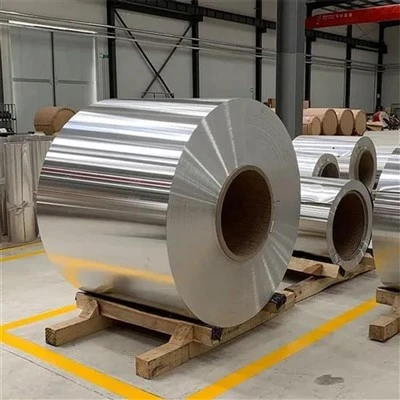
First off, let’s keep this super simple—no stuffy textbook definitions. Medium-carbon steel is basically steel that’s got 0.30% to 0.60% carbon content, give or take a little. For context, low-carbon steel is under 0.30% (think tin cans or car body panels), and high-carbon is over 0.60% (like the ultra-hard blades of a chef’s knife). The sweet spot here? Medium-carbon has just enough carbon to be way stronger and tougher than low-carbon steel, but still malleable enough to shape, weld, and machine without turning into a brittle, crumbly mess. I’ve seen so many people skip over it because they think “more carbon = better,” but that’s just not true for most real-world jobs. Let’s dive into the applications, because that’s where this stuff actually earns its keep.
Starting with the industry I see using more medium-carbon steel than anyone right now: construction and structural engineering. Wait, before you think “that’s all structural steel beams”—no, not the super thick I-beams, but the smaller, critical parts that hold buildings together. Think about rebar, right? The steel rods that get embedded in concrete to stop it from cracking when it shifts. Rebar has to be strong enough to pull or bend without breaking, and durable enough to withstand years of being wet, frozen, and exposed to the elements. Low-carbon rebar would bend too much and twist under pressure, and high-carbon would snap like a twig if the building settled a little wrong. Medium-carbon hits that exact balance. I supply rebar to a few regional construction companies, and their guys always say it’s the only grade that doesn’t slip when they’re tying it down with wire, and it doesn’t corrode faster than it needs to. Another big construction use is bolts, nuts, and fasteners for things like bridges, roof trusses, and scaffolding. Those fasteners don’t just have to hold two pieces of metal together—they have to withstand vibration, heavy loads, and temperature changes. I once had a client working on a highway overpass tell me that switching to medium-carbon fasteners cut their replacement rate by almost 40% because the old low-carbon ones would stretch loose after a few years. That’s the kind of win that makes everyone happy.
Next up, automotive and transportation—this is probably the industry where medium-carbon steel is most visible, even if you don’t notice it. Let’s think about the parts that make a car go, stop, and turn. The crankshaft, for example—that’s the big rod that converts the engine’s up-and-down piston motion into the spinning motion that turns the wheels. A crankshaft has to be super strong, because it’s taking thousands of pounds of pressure every time the engine fires, and it has to be tough enough to handle small impacts and vibrations without cracking. High-carbon steel would be too brittle here; one pothole or sudden stop could make it snap. Low-carbon would be too weak to handle the pressure. Medium-carbon is perfect because you can heat treat it (more on that in a sec) to make it hard on the surface but tough in the core. I supply crankshaft blanks to a couple of small automotive parts manufacturers, and they swear by medium-carbon for both gas and electric vehicle components now, even with all the new materials coming out. What about gears? Those are another huge one. The gears in your car’s transmission, the gears in a truck’s differential, even the gears on a bike’s chain—they have to mesh smoothly, transfer power without stripping, and last for hundreds of thousands of miles. Again, medium-carbon is the go-to here. You can case-harden it, which means heating it up and adding a little extra carbon to the outer layer so it’s ultra-hard and wear-resistant, while the inside stays tough enough to absorb shock. No one wants a transmission gear stripping out on a cross-country road trip, right? Even heavy-duty trucks and construction equipment rely on medium-carbon steel for axles, suspension parts, and even the pins that hold their buckets on. I’ve got a buddy who runs a fleet of dump trucks, and he told me he switched all his axle parts to medium-carbon steel 5 years ago—he hasn’t replaced an axle in over 100,000 miles, compared to every 20,000 with the old parts. That’s a massive cost saver.
Moving on to manufacturing and machinery, another massive market for medium-carbon steel. Think about all the big machines that make the stuff we use every day. Conveyor belts in factories—they need rollers and frames that are strong enough to carry heavy loads, durable enough to run 24/7, and easy to repair when something breaks. Medium-carbon steel is ideal here because it’s easy to machine into exact shapes, it welds well (which is a huge plus when you need to fix a broken part on the factory floor fast), and it doesn’t rust or wear out too quickly. I also supply a lot of parts for agricultural machinery—farmers are a big customer of mine, by the way. Plow shares, cultivator tines, gear boxes for tractors, even the parts of a combine that handle grain. Those parts get banged up, exposed to dirt, mud, and moisture all season long, and they have to be strong enough to dig through soil or handle tons of grain without bending or breaking. High-carbon steel would be too brittle to handle the rough conditions on a farm, and low-carbon would wear out after one harvest. Medium-carbon is just right. Last year I worked with a local farmer who was replacing his plow shares every harvest—switching to medium-carbon ones cut his replacement costs in half, and he didn’t have to stop working mid-harvest to swap out broken parts. That’s a game-changer when you’re dealing with a small harvest window.
Wait, let’s not forget about tools and hardware, the stuff most people interact with every day. I’m not talking about the fancy kitchen knives (that’s high-carbon), but the tools that get used hard: wrenches, socket sets, hammers, axes, even the chains on a chainsaw. A good wrench has to be strong enough to apply torque without bending or snapping when you’re loosening a rusted bolt. A hammer head has to be hard enough to pound nails for years, but tough enough that it doesn’t chip or crack when it hits a hard surface like a concrete block. Medium-carbon steel is the standard for these tools for exactly those reasons. I’ve got a few hardware store clients that sell both budget and professional-grade tools, and the professional lines are almost all medium-carbon. The budget ones might use low-carbon, but they bend after a few uses—professionals won’t touch them. Even things like trailer hitches, fence posts, and gate hinges rely on medium-carbon steel. Fence posts need to be strong enough to hold up wire and withstand wind, and gate hinges need to be tough enough to support the weight of a big gate and not rust shut after a year. Low-carbon steel fence posts might bend if a deer rams into them, and high-carbon would snap in the wind—medium-carbon is the happy middle that works for decades.
Now, let’s talk about why medium-carbon steel is so versatile, because that’s the key to all these applications. Remember I mentioned heat treatment earlier? Unlike low-carbon steel, which basically can’t be hardened much, or high-carbon steel, which is easy to harden but hard to weld, medium-carbon steel can be heat-treated—annealed, normalized, quenched, tempered—so you can adjust its properties exactly for the job. If a part needs to be super hard and wear-resistant, you can temper it at a lower temperature. If it needs to be more tough and flexible, you crank the tempering temperature up a little. That flexibility is why it works for everything from tiny wrench heads to giant truck axles. And it’s way cheaper than a lot of the newer alloys coming out these days, which is a big plus for any business working with tight budgets. I always tell my clients: “If high-carbon is overkill and low-carbon won’t cut it, medium-carbon is your sweet spot.”
I will say, though, it’s not a one-size-fits-all. You can’t use medium-carbon steel for everything. If you’re making something that needs to be super lightweight, like a phone case or a bike frame for a competitive cyclist, aluminum or carbon fiber is better. If you need something that’s ultra-hard and holds an edge perfectly, like a precision knife or a surgical blade, high-carbon steel is your guy. But for 90% of the heavy-duty, everyday applications that keep our world running? Medium-carbon steel is the answer.
Here’s the thing, as a supplier: I’ve been around long enough to see trends come and go, but medium-carbon steel never goes out of style. No one’s making bridges out of plastic, no one’s building trucks out of aluminum that bends under load, no one’s farming with tools that break after a single season. It’s reliable, it’s affordable, and it gets the job done. I’ve worked with hundreds of clients over the years, and the ones that come back again and again are the ones that know when to reach for medium-carbon steel. Whether you’re a construction manager needing rebar and fasteners, an automotive parts maker needing crankshafts and gears, a farmer needing plow parts, or a hardware store owner looking for quality tools, I’ve got the stock you need—no long lead times, no hidden fees, just the right grade of medium-carbon steel for your specific application.
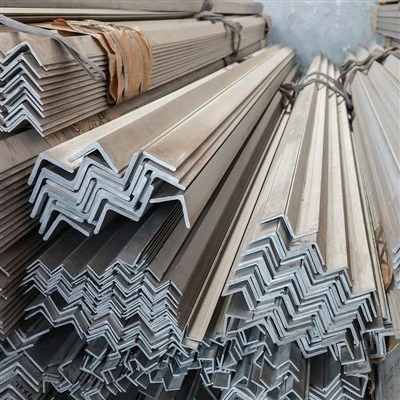
If you’re curious about how medium-carbon steel could work for your project, or you’ve been using a different grade that’s costing you time or money, hit me up. I’m happy to walk through your needs, answer any questions, and get you a quote that makes sense. No pushy sales talk, no fine print—just straight talk about metal, because that’s what I do.
Carbon Steel References
- ASM International. (2019). Properties and Selection: Irons, Steels, and High-Performance Alloys. ASM Handbook, Vol. 1.
- Automotive Industries Association. (2021). Common Steel Grades in Vehicle Structural and Component Applications. Annual Materials Report.
- National Agricultural Machinery Manufacturers Association. (2020). Material Specifications for Farm Equipment Components. Industry Standards Bulletin.
- Construction Steel Institute. (2018). Medium-Carbon Steel for Structural Fasteners and Reinforcement. Technical Guidance Document.
- The Fabricator. (2022). Choosing Carbon Steel for Machining and Manufacturing Applications. Practical Metals Guide.
Wuxi Jin Ming Jian De Industry & Trade Co., Ltd.
Wuxi Jin Ming Jian De Industry & Trade Co., Ltd. is one of the most professional carbon steel manufacturers and suppliers in China, also supports customized service. With abundant experience, we warmly welcome you to wholesale CE approved carbon steel in stock here from our factory. If you have any enquiry about quotation, please feel free to email us.
Address: 2102-2105, Yuexing Building, Guangnan Road, Liangxi District, Wuxi City, Jiangsu Province, China.
E-mail: info@wxjmjdss.com
WebSite: https://www.jmjdsteelexp.com/
