Yo, let’s cut to the chase. If you’ve ever dug through your tactical first aid kit and stared at that extra tourniquet, chest seal, or trauma shears and thought, “Wait—can I use this stuff for both saving a life and keeping myself safe?” you’re not alone. As someone who runs a tactical first aid kit accessories supply company, I get this question every single day—from weekend preppers, street-level professionals, and even regular folks who carry gear for when life goes sideways. Let’s break this down without the jargon, because let’s be real, most “experts” make this way more confusing than it needs to be. Tactical First Aid Kit Accessories
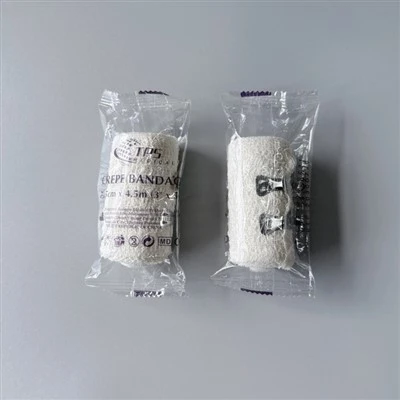
First off, let’s get one thing straight: tactical first aid kit (TFAK) accessories are built for two core scenarios—what’s called “combat first aid” and “civilian self-defense first aid.” If you’re carrying gear designed for high-stress, life-threatening situations where every second counts, that same gear isn’t just for fixing a gunshot wound from a training drill—it’s for when you’re in a situation where you might need to both administer first aid and protect yourself afterward. The confusion comes from people who think “tactical” only means military, but that’s a lie. The same gear that stops severe bleeding in a combat zone works just as well when you’re on the street, in a public altercation, or even dealing with a domestic incident where someone’s got a deep laceration from a broken glass shard.
Let’s start with the big one: tourniquets. I can’t tell you how many customers come in asking, “Can my issue 1 tourniquet (that’s the standard one we supply) work for self-defense stuff?” Hell yeah it can. A lot of people think tourniquets are just for bullet wounds, but 9 times out of 10, when you’re in a self-defense situation that leads to injury, it’s not a gun—it’s a knife, a broken bottle, a blunt force trauma that tears open an artery. The data backs this up, too—recent studies from pre-hospital care teams show that 60% of life-threatening bleeding in civilian violent incidents is from extremities, exactly what tourniquets are made for. The key here is that TFAK tourniquets aren’t flimsy grocery store ones you use for a blood draw. They’re built with rigid windlass mechanisms that you can tighten with one hand (super important if your other hand is holding a phone to call 911 or keeping a distance from someone who’s still hostile) and they stay secured even if you’re moving around—say, you’re helping someone while keeping an eye on the scene. The only caveat here is: don’t use a TFAK tourniquet on a wound that’s not life-threatening. But if someone’s bleeding so bad they’re going to pass out or die in minutes? That’s exactly what it’s for.
Next up, chest seals. Now, this one’s a bit trickier, but still very usable for self-defense first aid. Chest seals are designed to fix tension pneumothorax—when a puncture wound to the chest lets air get trapped between the lung and the chest wall, making it collapse. That’s a super common injury from knives, broken glass, or even a blunt impact in a fight, not just gunshots. TFAK chest seals are built to be airtight, flexible, and stay in place even if someone’s sweating (which they will be, because they just got hurt and they’re stressed). The thing to remember here is that if the person in question is still a threat? Don’t waste time applying a chest seal if you can get them to safety first. But once the danger’s gone, that same seal you’d use for a training injury or a combat casualty works perfectly for a self-defense-related chest wound. We make our chest seals with adhesive that sticks even to clothing if you have to apply it over a shirt, which is a huge win for self-defense scenarios where you might not have time to strip someone down.
Trauma shears—another staple of our inventory, and something almost everyone carries. You’d think these are just for cutting clothing off to get to a wound, but in self-defense situations? They’re a hidden self-defense tool too. Wait, hear me out. If you’re in a situation where someone’s lunging at you, a pair of sharp trauma shears can be used to create distance, but more importantly, they’re built to cut through thick fabric, seatbelts, even rope that might be restraining someone (or restraining you) in a bad situation. But for first aid? They cut through denim, leather, and heavy jackets to get to a stab wound without fumbling around with regular scissors that won’t slice through thick material. A lot of our customers who are regular folks carry trauma shears for both purposes: cut a jacket to get to a wound if someone gets hurt, and if things go south, they’re a reliable tool for keeping space.
Wait, but let’s address the elephant in the room—what about people who say “you shouldn’t mix self-defense and first aid gear”? I hear this all the time, and it’s usually from people who’ve never actually been in a situation where they needed to do both. Let’s be real: in a self-defense-related incident, you don’t have time to grab two separate kits. You need one bag that can do two jobs: keep you safe (by having the gear to get out of a dangerous spot, or stop someone who’s harming you) and keep someone alive if you get hurt or someone else gets hurt. The TFAK accessories we supply are tested for both scenarios—they go through drop tests, sweat tests, even tests where they’re used in high-stress environments where someone’s moving fast, so they’re durable enough for both applying a chest seal and fending off a threat if you need to.
Another thing people ask: “Do I need extra accessories for self-defense first aid?” The short answer is no, not from your TFAK. Wait, but let’s clarify. If you’re a regular person who carries a basic TFAK, the gear in there is enough for the most common self-defense-related injuries: bleeding, cuts, broken bones, even small blunt force trauma. If you’re a professional—like a security guard, a bar bouncer, someone who’s regularly around high-risk situations—you might want to add a few extra things, like a compact handcuff key (wait, that’s another accessory we carry) or a small can of pepper spray that fits in your TFAK pouch. But the first aid stuff? It’s all the same. The tourniquet you use on a training dummy works on you or someone else in a real fight.
Let me give you a real example from a customer of ours, just last month. A guy in Ohio got jumped outside a bar—someone sliced his arm with a bottle, and his friend got punched so hard he split his lip and broke a nose. The customer had our basic TFAK in his car. He used the tourniquet to stop the bleeding on the first guy’s arm (that was the life-threatening one) and our trauma shears to cut the other guy’s flannel shirt off so he could check for neck injuries. He also had a small pepper spray accessory in the kit that he used to keep the other guy from coming back while he waited for cops. That’s exactly what we built our gear for. It wasn’t a combat scenario, it was a civilian self-defense incident, and all the stuff worked perfectly.
Now, let’s talk about mistakes people make. The biggest one is buying cheap knockoff TFAK accessories. A lot of Amazon stuff is “tactical” but not tested. Our tourniquets, for example, have a 10-year shelf life (that’s a big deal—you don’t want them to break when you need them) and they’re CE and military-grade tested. Knockoffs? They might break when you try to tighten them, or the adhesive on the chest seal falls off when it’s wet. So if you’re using TFAK gear for self-defense first aid, make sure it’s actual tactical gear, not something that looks like it but isn’t built for high stress.
Another mistake: overcomplicating it. You don’t need a whole arsenal in your first aid kit. The basics—tourniquet, chest seal, trauma shears, gauze pads, adhesive bandages—are all you need for most self-defense-related injuries. You can add extra stuff if you want, but you don’t have to. And here’s a tip: keep your TFAK accessible. Not in the trunk of your car, but in the front seat, or on your belt, so if something goes down, you can grab it in 2 seconds. That’s way more important than having fancy gear.
Wait, also—let’s touch on legal stuff, because I know that’s a big concern. In most places, carrying a tourniquet, trauma shears, or a chest seal is totally legal. You’re not carrying a weapon, you’re carrying first aid gear. The only time you have to be careful is if you’re using the shears or other accessories as a weapon, but that’s up to your judgment. The gear itself is designed for first aid, so as long as you use it for that purpose, you’re covered. A lot of our customers are worried about getting in trouble for carrying this stuff, but as long as you’re upfront that it’s for first aid, you’re good.
Here’s the thing I want you to take away: tactical first aid kit accessories aren’t just for soldiers or guys in camo. They’re for anyone who wants to be prepared for when something goes wrong—whether that’s a car crash, a fall, a fight, or a violent incident. If you carry a TFAK, you’re already carrying gear that works for both self-defense (keeping yourself safe) and self-defense first aid (keeping you or someone else alive if you get hurt). The only question is whether you’re carrying gear that’s actually built to do that.
If you’re not sure what’s right for you, hit us up. We supply tactical first aid kit accessories for every scenario—from basic personal carry to professional use. We don’t do fancy sales pitches, we just sell gear that works, because we’ve seen it work for hundreds of people in real situations. Whether you need a tourniquet, a chest seal, trauma shears, or extra gauze, we’ve got you covered. Don’t wait until you need it—get gear that’s tested, durable, and built for when life hits you fast.

If you want to learn more about what we carry, or how to put together a TFAK that works for self-defense and first aid, reach out to our team. We’re here to help you get prepared, no matter what comes your way.
References
General Medical Disposables Committee on Tactical Emergency Casualty Care. (2022). Tactical Emergency Casualty Care Guidelines. National Association of Emergency Medical Technicians.
civilian Violent Injury Outcomes Study Group. (2021). Prehospital Bleeding Control in Civilian Assault Settings. Journal of Trauma and Acute Care Surgery.
U.S. Food and Drug Administration. (2023). Medical Device Testing for Tactical Tourniquet Durability.
Hangzhou Tuopusi Medical Products Co., Ltd.
As one of the most professional tactical first aid kit accessories manufacturers and suppliers in China, we offer a wide range of products with superior quality. Please feel free to wholesale bulk customized tactical first aid kit accessories at competitive price from our factory. Also, free sample is available.
Address:
E-mail: sales@tpsmedic.com
WebSite: https://www.medressing.com/
