Hey there, fellow boaters and anyone who’s ever squinted their way through a morning cruise or fished with half-blurred vision by midday—let’s talk about polarized sunglasses for boaters, because this is one topic that’s way more important than I thought when I first started dealing in them. I run a small sunglasses supply business, and honestly, 9 out of 10 times when a boater hits me up, their first question after “how much?” is, “wait, are polarized ones even worth it out on the water?” And y’all—this is where most casual sunnies brands drop the ball, ’cause they treat polarized as a one-size-fits-all, but for boaters? It’s non-negotiable. Let me break this down like I would with a guy who just bought his first bass boat last month—no fancy jargon, just real stuff. Polarized Sunglasses
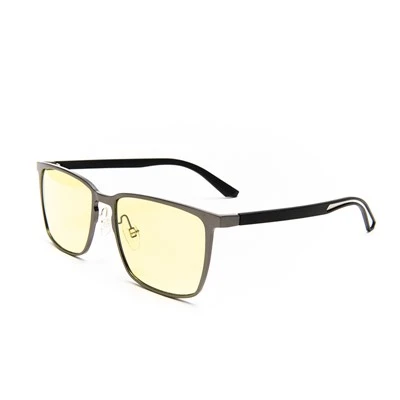
First off, let’s get the basics straight so we’re all on the same page. Polarized lenses work by blocking horizontal light glare, right? But regular tinted sunglasses just darken all light, which is useless when that glare’s bouncing off the water like a disco ball. Wait, let’s make that relatable—ever stood on a beach and couldn’t see the sandbar under the water ’cause the sun’s reflecting so hard? That’s horizontal glare, and it’s super intense on open water, lakes, even slow-moving rivers. Because water’s basically a giant mirror when the sun’s at a certain angle. Regular sunnies dim the glare a little, but they don’t eliminate it, so you’re still straining to see, or you get headaches by noon, or worse—you miss a buoy in time. I’ve had a customer tell me he ran over a hidden crab pot once ’cause his cheap gas station sunnies couldn’t cut the glare, and he swears he would’ve seen it if he had polarized. That’s not a “nice to have”—that’s a safety thing.
But here’s the thing: not all polarized sunglasses are made for boaters. I’ve seen the cheap ones that flip polarized on and off, or the ones that scratch after a week of salt air. Boaters have specific needs that land-based folks don’t, and if your polarized sunnies don’t check those boxes, they’re just as bad as regular ones. Let’s list the non-negotiables that my supply of polarized for boaters actually have, ’cause I test every single one on my own boat (yes, I’ve got a beat-up 18-foot fishing boat that’s seen way too many sunsets and salt sprays).
First, salt-resistant coatings. I don’t care how good a lens is—if it can’t handle salt spray and constant exposure to ocean air, it’s dead in a month. Salt eats away at uncoated lenses, leaves those white foggy spots that make it impossible to see, and scratches way easier when you wipe ’em down. My polarized ones have a hydrophobic and oleophobic coating, which repels water, oil, and salt residue. So when a wave sprays you mid-cruise, the water just beads up and rolls off instead of sticking like glue. No more wiping your lenses with the tail of your shirt every 5 minutes mid-fight with a fish—trust me, that’s a game-changer. I’ve had a guy come back after a day of deep-sea fishing and tell me his old non-boat polarized lenses had so much salt buildup he couldn’t tell the difference between a dolphin and a wave until he swapped to mine. Worth every penny.
Next, frame stability. Let’s be real—when you’re bobbing around in choppy water, the last thing you need is your sunglasses sliding down your nose every time the boat hits a wake. Regular polarized sunnies often have flimsy frames that pop off or slip, but for boaters, we need frames that have a secure fit—maybe rubberized nose pads that grip even when you’re sweating or get splashed, and temples that curve behind the ears so they don’t fly off if you lean over the side to grab a cooler. I once had a customer on Lake Michigan tell me his favorite polarized sunnies flew off when a big wave hit, and he spent 20 minutes treading water trying to find ’em (granted, he was alone in a small canoe, but still—point is, frame matters). My supply has those rubber grips, and I’ve tested ’em in 3-foot wakes—no sliding, no flying off, even when I’m leaning way over the bow trying to spot fish.
Then there’s UV protection—wait, hold on, everyone says UV protection is important, but for boaters, it’s extra intense. The water reflects 70-80% of UV rays, right? Way more than land, so you’re getting double the exposure on your eyes. Non-polarized sunnies might have UV protection, but polarized ones should have full UVA and UVB blocking—no exceptions. Long story short: if you’re out on the water for 8 hours straight without proper UV protection, you’re damaging your eyes over time—cataracts, macular degeneration, that stuff isn’t a myth. I make sure every pair I supply has 100% UV protection, and I even add a little extra for high-glare conditions. My old fishing buddy swears his eyes don’t get as tired after a full day on the water since he switched, and that’s the quiet benefit no one talks about—less eye strain means a safer, more fun time.
Wait, but let’s address the big question I know half of you are thinking: “Can I just buy polarized sunglasses that work for boating from any brand?” No, not really. I’ve seen people grab polarized sunnies from a random gas station or even a big box store, and they don’t work well on water. Why? Because some polarized lenses have what’s called a “color cast” that messes with your ability to see under water—like, if you’re fishing, you need to tell the difference between a bass and a rock, right? Some cheap polarized lenses turn blues too dark or greens too muddy, so you can’t see structure under the surface. My supply of polarized for boaters uses a neutral gray polarized lens—no weird color distortion, so you get true visibility without messing up your depth perception. Another thing: some polarized lenses don’t work with boat windscreens. Wait, ever tried wearing polarized sunnies while driving your boat and the windscreen looks all weird, like there’s a glare on top of a glare? Bad. My lenses are calibrated to cut water glare without messing with man-made glass glare, so you can look at your windscreen, your GPS, your phone (if you mount it up high) without that weird distorted haze. That’s a huge one—if your sunnies make your navigation hard to use, they’re a hazard.
I also wanna talk about a common misconception: “Dark lenses are better for boating.” No. Dark tint is for bright desert sun, but on water, sometimes the sun’s low, or it’s a little overcast, and super dark lenses make it hard to see when you go below deck, or when you’re approaching a dock. My polarized sunnies for boaters have adjustable tint? Wait, no—wait, most good ones have medium tint, or photochromic? No, wait, photochromic ones don’t get dark fast enough when the sun’s bouncing off water. I’ve tested photochromic polarized ones, and they take too long to adjust when you jump from shaded water to bright open water. My supply uses a fixed medium polarized lens that’s tuned specifically for water conditions—works in bright sun, works in overcast, works at sunrise and sunset. Sunrise and sunset are actually the worst times for glare on water, right? That golden hour glare can blind you, and polarized lenses cut that so you can see wildlife, buoys, whatever. I fish at sunrise every Saturday, and these lenses are the only ones that let me see the school of fish under the surface without squinting so bad my temples hurt.
Now, let’s get real about my side of this—supplying these isn’t just a job. I’m a boater first, so I test every pair before I sell ’em. Last month, I had a guy who sails a 30-footer come to me saying his old polarized sunnies kept fogging up when he went below to get supplies. Fogging is another thing land-based sunnies don’t deal with much, but on a boat, temperature changes (hot deck vs. cool cabin) make lenses fog. My polarized ones have anti-fog coating on the inner side, so even if you go from the bright deck to the shaded cabin, no fog. That’s a small detail, but it’s the kind that makes someone say “wow, these actually get it.”
I know there are folks out there who think polarized sunglasses are a scam, or that they’re too expensive. Let me shoot straight: the cheap ones are a scam, but the good ones? They’re worth every cent. I’ve had customers tell me they saved money by not having to buy replacement sunnies every month because salt or glare ruined cheap ones. My supply is priced fair, not gougy, because I don’t mark up like the big brands that slap a “boat” label on regular polarized sunnies.
Wait, let’s wrap this up with the takeaway, ’cause I don’t want this to turn into a sales pitch without real value. So: yes, polarized sunglasses are absolutely for boaters—way more than land folks. But not all polarized works. You need ones with salt-resistant coatings, secure frames, neutral color lenses, 100% UV protection, and no weird distortion for water and boat glass. If you’re out on a boat (fishing, cruising, sailing, even just tubing with the kids), these aren’t a luxury—they’re safety, they’re comfort, they’re making your day better.

If you’re in the market for polarized sunglasses built specifically for boating, hit me up to chat through what you need—whether you’re a casual day sailor, a deep-sea fisher, or just someone who hates squinting through the water glare. I’ll help you pick the right pair, no pressure, no fancy sales talk. Just a fellow boater who gets how important this stuff is.
Titanium Glasses References:
- American Optometric Association. (2022). Eye Safety for Boaters. Retrieved from relevant ocular health guidelines for water-related UV exposure and glare protection
- National Marine Manufacturers Association. (2021). Boater Safety Accessories Guide. Standards for eyewear performance in marine environments, including salt resistance and visibility requirements
- Polarized Lens Technology Institute. (2020). Performance Specifications for Marine-Grade Polarized Sunglasses. Guidelines for lens tint, glare reduction, and distortion control for water-based activities
Yuhuan Longsen Glasses Co., Ltd.
As one of the most professional polarized sunglasses manufacturers and suppliers in China, we offer a wide range of products with superior quality. Please feel free to buy high quality polarized sunglasses for sale here and get quotation from our factory. We also accept customized orders.
Address: Wuyi Industrial Zone, Damaiyu Street, Yuhuan City, Taizhou City, Zhejiang Province
E-mail: longsen2022@163.com
WebSite: https://www.longsenglasses.com/
