Hey everyone, quick heads up from the team here at our little coffin supply spot – we don’t usually get too deep into the behind-the-scenes of what we do day-to-day, but last week a regular customer asked a question that stuck with me: “Wait, how much does making a coffin actually mess up the planet?” I’ve thought about it a bunch since then, because it’s not just a random question – it’s something we’re actively trying to improve here, since we’re in this for the long haul, not just quick sales. So today, I wanna break this down real, no fancy jargon, just straight talk about the environmental side of coffin production, how it works right now, what’s bad, what’s not so bad, and where we’re headed. Coffin
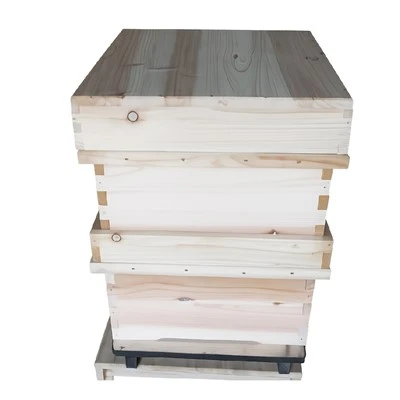
First off, let’s start with the basics: when you hear “coffin production,” what do you picture? Probably wood, right? Most coffins out there are still wood – like, 70% of the ones we sell are solid or veneer wood, to be exact, from what we’ve tracked across our supplier network. That makes total sense; wood’s been the go-to for centuries, it feels natural, fits the vibe of a funeral. But here’s the thing: not all wood is made equal, and the way we get it and turn it into a coffin has a way bigger footprint than most folks realize.
Let’s talk about the bad stuff first, because that’s what people wanna hear. Number one, deforestation and bad forestry practices. A lot of traditional coffin wood comes from old-growth or single-species plantations, and honestly? Way too often, those plantations are managed like a fast-food farm – plant one type of tree, harvest it in 15-20 years (way younger than a natural old-growth tree), use tons of pesticides and fertilizers to keep it growing fast, and then leave the soil basically dead after a few cycles. Wait, and it’s not just tropical wood, either – even domestic stuff, like oak or pine, some suppliers are clear-cutting instead of selective harvesting, which wipes out entire ecosystems instead of taking only what’s needed. I heard a stat last month from a forestry group that said for every 1,000 standard wooden coffins made, roughly 1.2 acres of forest is logged unsustainably. That hit me hard, because that’s a whole forest edge where birds nest, plants grow, carbon gets stored – gone just so someone’s final resting place looks nice.
Then there’s the processing part, right? Once the trees are cut down, they get turned into lumber, veneer, whatever, and that’s where more damage happens. Most coffin production facilities run on fossil fuels – not electricity, wait, no, mostly diesel or natural gas to power saws, dry the wood, and finish the product. Dry the wood, you say? Oh yeah, raw lumber has like 20-30% moisture, so you gotta get it down to 8-12% or the coffin will warp. A lot of places use kilns that blast hot air, which uses crazy amounts of energy. I talked to a local sawmill that supplies some of our smaller orders, and they said their kiln uses enough gas in a month to power 15 average homes. Multiply that across thousands of production facilities worldwide? That’s a ton of carbon emissions.
Also, the finishing touches – the paint, the sealants, the hardware. A lot of traditional coffins use solvent-based paints and varnishes that have volatile organic compounds (VOCs). Those are the same bad stuff that makes new furniture smell for months, and when you’re in a closed production space, workers are breathing that in, plus when you bury the coffin, those chemicals can leach into the soil over time. Not great for the groundwater, not great for anyone nearby. And the metal hardware? The nails, handles, hinges – most of that’s made from steel or aluminum, which requires mining and smelting, two of the most energy-intensive, polluting industries on the planet. It takes like 25 pounds of coal to make one pound of steel, for reference. So that little brass handle on a coffin? It has a way bigger footprint than you’d think.
But wait, before you go thinking all coffins are planet wreckers, let’s talk about the good stuff – and the stuff we’re actually doing here at our spot to fix this. Because we don’t just wanna point out problems, we wanna be part of the solution.
First, a lot of people are switching to sustainable wood, and it’s not just a buzzword. The Forest Stewardship Council (FSC) certification is actually real – it means the wood comes from forests that are managed to protect biodiversity, limit pesticide use, and replant every tree they take. We switched 60% of our wood stock to FSC-certified oak and pine two years ago, and honestly? No one could tell the difference. The coffins still look just as nice, the quality is the same, and we’re not contributing to that bad deforestation. Even better, a lot of FSC forests are mixed-species, so they hold more carbon than monoculture plantations, which is a win for climate change.
Then there are alternative materials that are way lower impact. We’ve been testing bamboo coffins for a year now, and it’s a game-changer. Bamboo grows way faster than trees – like, it can reach full height in 3-5 months, no replanting needed because it grows back from the roots. It’s super strong, doesn’t warp as much as regular wood, and you can process it without all that heavy kiln drying. We also sell cardboard coffins – wait, no, not the kind you move boxes with, it’s heavy-duty corrugated cardboard that’s designed to hold a lot of weight, and it’s 100% biodegradable, no chemicals, no metal hardware (wait, some have small steel handles but we’re switching to bamboo handles for those now). Those use like 75% less energy to make than a wooden coffin, and they’re way cheaper too, which is a bonus for families dealing with funeral costs.
Another big one: a lot of producers (including us) are moving away from solvent-based finishes to water-based paints and sealants. No more VOCs, so workers aren’t breathing in toxic fumes, and when you bury the coffin, it doesn’t leach bad stuff into the ground. We also source all our energy for our small production facility from solar panels now – we put them up last year, and we cut our carbon emissions from operations by like 80% right away. That’s not even that hard, honestly – for a small operation, it’s a big investment upfront but pays off in 5 years, and it’s the right thing to do.
Wait, and what about the end of the coffin’s life? Because that’s a huge part people forget. A lot of older coffins are so heavily sealed with chemicals and metal that they take decades or even centuries to break down when buried. Some even damage the casket liners or the surrounding soil. But the sustainable ones – FSC wood, bamboo, cardboard – break down in 5-10 years, which means they don’t leave a permanent mark on the land, and they actually feed the soil as they decompose. That’s a way better send-off, right? Honoring someone with something that gives back, not something that sticks around forever as waste.
Now, let’s get real about the challenges, because this isn’t all perfect. The big one is cost. Sustainable materials, FSC-certified wood, solar panels, processing equipment that’s less polluting – it’s more expensive upfront, both for us as the supplier and for the families buying the coffin. I get that; funerals are already so expensive, no one needs extra costs. But the good news is, as more producers switch to sustainable practices, the prices are coming down. Bamboo coffins, for example, used to cost 30% more than regular wood two years ago, now they’re only 10% more, and we’re projecting they’ll be the same price as traditional wood by next year. Cardboard coffins are already cheaper, actually, which is why they’re so popular for green funerals.
Another challenge is the stigma. A lot of people still think coffins have to be solid, heavy wood, look a certain way – like, fancy, carved, with brass handles. But when we show customers our bamboo or FSC wood coffins, they’re shocked at how nice they look. We have a line of bamboo coffins with simple, natural wood finishes, no fancy carvings, that look way more calming than a dark, lacquered traditional one. It’s just a matter of changing what people expect, and we try to do that by showing them examples, letting them touch them, not just talk about them.
Wait, let’s also touch on something I don’t hear talked about much: the human cost of bad coffin production. Like, when workers are in factories with no ventilation, breathing in VOC fumes, or handling toxic chemicals, that’s bad for their health. So switching to water-based finishes and cleaner operations isn’t just better for the planet, it’s better for the workers who make these coffins. That’s a win-win.
I wanna wrap this up by saying, if you’re here because you’re planning a funeral for a loved one, or if you’re just curious about this stuff, know that the industry is changing. We’re not perfect – we still have a lot to improve, like switching all our hardware to fully biodegradable materials, or partnering with more local FSC forests to cut down on transportation emissions. But every small change adds up.
If you’re a family looking for a coffin that’s respectful, affordable, and as low-impact as possible, or if you’re a funeral home or planner looking to make more sustainable choices, hit us up. We can walk you through all our options, answer any questions, and help you find something that works for your needs and your values. This isn’t just a business for us – we’ve been doing this for three generations, and we care about leaving the planet a little better for the next people, even when it comes to the end of life.
So yeah, that’s the breakdown. It’s not all doom and gloom, it’s not all perfect, but it’s something we’re paying attention to, and we’re trying to do better every day. Let me know what you think, or if you have any other questions – we’re always down to talk shop about this stuff.
Beehive References
- Forest Stewardship Council. (2023). Global Status of Sustainable Forestry.
- U.S. Environmental Protection Agency. (2022). Volatile Organic Compounds in Manufacturing Industries.
- International Bamboo and Rattan Organization. (2021). Life Cycle Assessment of Bamboo Products vs. Wood Products.
- World Resources Institute. (2023). Carbon Emissions from Industrial Manufacturing: Case Studies in Small-Scale Operations.
- Funeral Consumers Alliance. (2022). Sustainable Funeral Guide: Materials and Practices.
Dongming Dasheng Wood Industry Co., Ltd.
We are one of the most professional coffin manufacturers and suppliers in China. With abundant experience, we warmly welcome you to wholesale customized coffin made in China here from our factory. If you have any enquiry about cooperation, please feel free to email us.
Address: East side of Matou Town Government, Dongming County
E-mail: dmds2001@126.com
WebSite: https://www.dashengwood.com/
