Hey everyone, let’s cut to the chase: if you’re running an electric air compressor (or even managing a fleet of ’em), energy bills are probably eating a big chunk of your operational budget—we’re talking 30-50% of your total industrial power costs, no joke. As someone who’s been supplying electric air compressors for years, I’ve seen way too many businesses waste money on units that run way less efficiently than they should. So today, I’m sharing the no-BS, science-backed tricks to dial up your compressor’s energy efficiency without shelling out for a whole new rig (unless you’re ready to upgrade, I’ve got options for that too). Electric Air Compressor
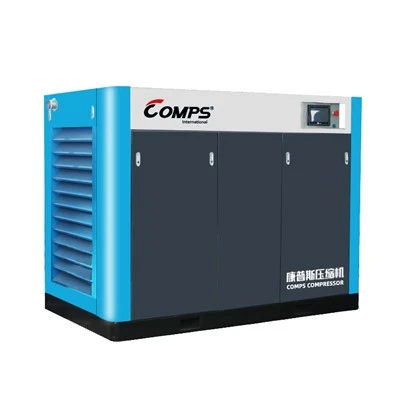
First, let’s get one thing straight: efficiency here isn’t just about the compressor itself—it’s the whole system. I once had a customer who swore their compressor was “new and efficient,” but their air lines were so leaky, it had to run non-stop just to keep pressure steady. Wasted energy = wasted cash, and that leaky setup was costing them $1,200 a month on electricity. So start with the basics, no fancy tools needed.
-
Fix those leaks—they’re the silent energy killers.
You might not notice, but a tiny 1mm leak in your air lines is like leaving a tap running all day. It might sound small, but multiply that by 10 leaks, and you’re looking at 20-30% extra energy use, per the Department of Energy. How to spot ’em? Turn off the compressor, close all valves, and listen for hisses—if you can’t hear, spray soapy water on the lines, bubbles = leak. Tighten fittings first, but if the line’s cracked, patch it with epoxy (for small spots) or replace the section. I recommend checking leaks monthly—set a calendar alert, it takes 15 mins and saves way more than it costs. -
Match your compressor’s size to your actual needs.
Here’s a common mistake: guys buy a compressor rated for way more CFM (cubic feet per minute) than they need, “just in case.” But oversized compressors cycle on and off too often, wasting energy on start-up surges (those spikes can be 2-3x regular operating power). Do a quick audit: calculate your total air demand for all tools/machines you run at the same time, add 10-15% for future needs, and pick a compressor that hits that sweet spot. If your existing unit is too big, look at variable speed drives (VSD) compressors—they adjust speed based on demand, unlike fixed-speed ones that run full blast even when you’re using little air. I’ve seen VSD compressors cut energy use by 35% for customers with fluctuating demand, and they’re not as pricey as they used to be. -
Keep the compressor’s cooling system clean.
Electric air compressors generate heat—if they can’t dissipate that heat, they have to work harder to maintain pressure, which drains energy. I see this all the time: a compressor stuffed in a dusty corner, filters caked with dirt, cooling fans blocked by storage boxes. The fix is simple: check the air filter every 2 weeks, replace it when it’s dirty (a clogged filter can reduce efficiency by 10-15%). For air-cooled compressors, leave at least 12 inches of space around the unit for airflow—no stacking stuff on top of it. If you have a water-cooled one, flush the cooling coils quarterly to prevent mineral buildup that blocks heat transfer. Last year, a customer cleaned a dusty filter on their 10HP compressor, and their power bill dropped $210 in the first month alone. That’s fast ROI for like, $15 in a new filter. -
Tune your operating pressure to the minimum needed.
How often do you run your compressor at 150 PSI when your tools only need 100 PSI? Higher pressure = more energy use, and every 2 PSI above what you need adds 1% to your energy costs, according to Compressed Air Best Practices. That adds up—for a 50HP compressor, that’s almost $1,000 a year just for 10 extra PSI. Grab a pressure gauge on your air tools, check what’s actually required, then adjust the compressor’s pressure regulator down a notch. Just make sure there’s a backup for peak demand, but don’t overdo it. I once talked a customer down from 130 PSI to 105, and they didn’t notice a difference in their tools but saved $850 a quarter. Win-win. -
Schedule regular maintenance, not just when it breaks.
Neglecting oil changes, belt tension, or pump parts kills efficiency over time. A loose belt can cause slippage, so the compressor has to work harder to deliver the same air. Old oil? It gets thick, so the pump’s friction goes up, wasting energy. For rotary screw compressors, change the oil every 2,000-3,000 hours (or as per your manual), and inspect belts monthly to keep them at the right tension. If you’re running a reciprocating (piston) compressor, check piston rings for wear—worn rings let air leak back into the pump, so the compressor cycles more often. I offer maintenance kits for all my units, so you can grab replacement parts easy, no guesswork. -
Upgrade to energy-efficient models when it makes sense.
If your compressor is over 10 years old, it’s probably only 60-70% efficient, vs. 85-95% for new modern models. But I’m not saying replace it tomorrow—do the math: a new VSD compressor might cost $5,000, but if your old one is costing you $1,500 extra a year in energy, that’s a 3-year payback, and then you’re saving cash long-term. Also, look for units with the Energy Star label—they’re tested to meet strict efficiency standards. A lot of guys think electric compressors are all the same, but trust me, the specs matter. I stock a range of models from small 1HP shop units to 100HP industrial rigs, all tuned for max efficiency without cutting corners on durability.
Wait, let’s talk about a common myth I hear all the time: “turning off the compressor when not in use wastes energy.” No—standing by uses way less than the extra energy it takes to run a compressor that’s just idling. If you’re only using it for an hour a day, turning it off when you’re done is smarter than letting it run all day. For longer breaks (lunch, end of shift), set a timer to turn it off automatically—no need to remember, and you won’t waste energy on idle time.
Another thing: your air receiver tank. That big metal tank you have? It’s not just a storage thing—it helps the compressor run more efficiently by reducing cycle starts. A tank that’s too small means the compressor cycles on/off a lot, wasting energy. If your lines are always dropping pressure, you might need a bigger tank. I can hook you up with the right size tank to pair with your compressor, no guesswork.
Let’s wrap this up with a real example: a local auto body shop I supply ran a 10HP fixed-speed compressor for 8 hours a day, had 12 leaks, ran at 130 PSI when they only needed 100. After fixing leaks, adjusting pressure, and cleaning their filter, their energy use dropped 22%—that’s $1,100 a year in savings. They didn’t buy a new compressor, just made small changes. If they had upgraded to a VSD model, they could’ve cut that another 30%.
Look, I get it—you’re busy, you don’t have time to fiddle with every part of your compressor. But these steps are easy, low-cost, and add up fast. If you’re not sure where to start, or you’re in the market for a more efficient unit, hit me up. I’m here to help you figure out what works for your setup, no pushy sales talk—just straight advice from someone who’s been in this game for years.
Don’t let wasted energy eat into your profits—small tweaks make a huge difference. Let’s get your compressor running smarter, not harder.
Electric Air Compressor References
U.S. Department of Energy. (2022). Industrial compressed air systems: Energy and cost savings opportunities. Compressed Air Best Practices Magazine. (2023). “How to reduce energy waste in compressed air systems”. National Electrical Manufacturers Association. (2021). Energy efficiency guidelines for electric air compressors. International Organization for Standardization. (2022). ISO 1217: Compressors for general use – Acceptance tests, Part 1.
Comps Compressor (Shijiazhuang) Co., Ltd.
As one of the most professional electric air compressor manufacturers and suppliers in China, we’re featured by quality products and good price. Please rest assured to buy customized electric air compressor made in China here from our factory. Also, pricelist is available.
Address: No.172, Nanche Road, Shijiazhuang Equipment Manufacturing Industrial Park, Luancheng District, Shijiazhuang City, Hebei Province
E-mail: kpswmb@kangpusi.com
WebSite: https://www.comps-compressor.com/
