Reverse osmosis (RO) membranes are the heart of residential water purification systems, working tirelessly to remove contaminants and ensure the delivery of clean, safe drinking water. Over time, however, these membranes experience wear and degradation, which can compromise their performance and water quality. As a trusted Residential RO Membrane supplier, I’ve witnessed firsthand the importance of timely membrane replacement. In this blog, I’ll share the key signs that indicate it’s time to replace a residential RO membrane so that you can safeguard your family’s health and the longevity of your water purification system. Residential RO Membrane

Reduced Water Production
One of the most noticeable signs that a residential RO membrane needs replacement is a significant reduction in water production. Under normal circumstances, an RO system should produce a consistent volume of purified water within a reasonable time frame. If you find that your system is taking longer to fill a glass or a pitcher, or if the overall water output has decreased substantially, it could be a sign that the membrane is clogged or failing.
Several factors can contribute to reduced water production. Over time, sediment, minerals, and other contaminants can accumulate on the surface of the membrane, forming a layer of fouling that restricts the flow of water. Additionally, the membrane’s pores can become blocked or damaged, further impeding water passage. If you’ve already checked for other potential issues, such as a clogged pre – filter or a malfunctioning pump, and the problem persists, it’s likely that the RO membrane is at the root of the issue and needs to be replaced.
Decreased Water Quality
The primary function of an RO membrane is to remove impurities from water, including heavy metals, bacteria, viruses, and dissolved solids. Therefore, a decline in water quality is a clear indication that the membrane may need replacing. You can test your water quality in several ways. One simple method is to use a total dissolved solids (TDS) meter, which measures the concentration of dissolved substances in the water. A significant increase in TDS levels in your purified water may suggest that the RO membrane is no longer effectively filtering contaminants.
Another way to assess water quality is through taste and odor. If your previously odorless and tasteless purified water now has a noticeable unpleasant taste, odor, or a strange color, it could be due to a failing membrane. For example, an increase in chlorine or other chemical tastes may indicate that the membrane is allowing more contaminants to pass through.
Increased Rejection Rate Changes
The rejection rate of an RO membrane refers to its ability to block contaminants from passing through. A high – quality RO membrane typically has a rejection rate of 95% or higher. However, as the membrane ages and becomes damaged, this rejection rate can decline. You can monitor the rejection rate by periodically testing the feed water (untreated water) and the product water (purified water) using a TDS meter. Calculate the rejection rate using the following formula:
Rejection Rate = [(TDS of Feed Water – TDS of Product Water) / TDS of Feed Water] × 100%
If you observe a significant drop in the rejection rate over time, it’s a strong indication that the RO membrane’s performance is deteriorating and replacement is necessary.
Longer Flushing Times
Most RO systems have a flushing mechanism that helps to clean the membrane and prevent the buildup of contaminants. The flushing process should be relatively quick and efficient. If you notice that the flushing time has increased significantly, it may be because the membrane is clogged or fouled. A clogged membrane takes longer to clean during the flushing cycle as the water has a harder time passing through the blocked areas. This not only leads to longer flushing times but also increased water waste. If efforts to improve the flushing performance, such as cleaning the pre – filters or adjusting the flushing settings, are ineffective, it’s probably time to replace the RO membrane.
Higher Pressure Requirements
As an RO membrane becomes fouled or damaged, the system needs to work harder to force water through the membrane. This results in an increase in the operating pressure of the RO system. You can monitor the pressure using a pressure gauge installed in your system. If you notice a steady increase in the pressure required to maintain a normal water flow rate, it could be a sign of a failing membrane.
Higher pressure not only indicates a problem with the membrane but can also put additional stress on other components of the RO system, such as the pump and tubing. This can lead to premature wear and potential system failures. Therefore, addressing the issue of a damaged membrane promptly is crucial to avoid further damage to the entire water purification system.
Visible Physical Damage
Sometimes, the need for membrane replacement is evident from visible physical damage. Inspect the RO membrane regularly for signs of cracks, tears, or discoloration. Cracks can allow unfiltered water to bypass the membrane, significantly reducing its effectiveness. Discoloration may indicate the presence of mold, mildew, or chemical damage.
Physical damage can occur due to various reasons, including improper handling during installation, exposure to extreme temperatures, or the use of incompatible chemicals in the water treatment process. If you notice any visible damage to the membrane, it should be replaced immediately to ensure the continued safe operation of your RO system.
Age of the Membrane
Even if you don’t observe any obvious signs of performance decline, the age of the RO membrane is an important factor to consider. Most residential RO membranes have a recommended lifespan of 2 – 3 years, depending on the quality of the feed water and the frequency of use. If your membrane is approaching or has exceeded this recommended lifespan, it’s a good idea to proactively replace it.
Over time, the membrane’s materials degrade, and its performance gradually deteriorates. By replacing the membrane at the end of its recommended lifespan, you can prevent potential water quality issues and ensure the optimal operation of your RO system.
Conclusion
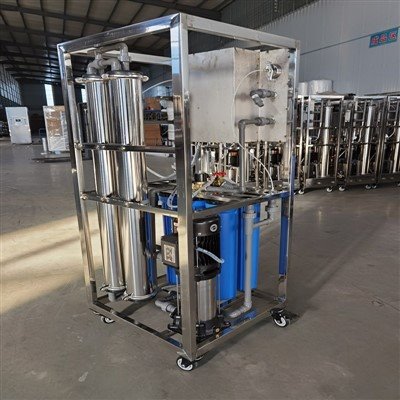
Recognizing the signs that a residential RO membrane needs replacement is crucial for maintaining the health and well – being of your family and the efficiency of your water purification system. Whether it’s reduced water production, decreased water quality, changes in rejection rate, longer flushing times, higher pressure requirements, visible physical damage, or the age of the membrane, each sign provides valuable information about the membrane’s condition.
Compact EDI Modules As a Residential RO Membrane supplier, I understand the importance of using high – quality membranes and ensuring timely replacement. If you’ve noticed any of these signs in your RO system, don’t hesitate to reach out. We offer a wide range of residential RO membranes that are designed to provide reliable and efficient water purification. Contact us today to discuss your specific needs and let’s work together to ensure that your home has access to clean, safe drinking water.
References
- Water Quality Association. (2023). Reverse Osmosis Systems Handbook.
- American Water Works Association. (2022). Guidelines for Residential Water Treatment.
Fujian Huamo Technology Co., Ltd.
Fujian Huamo Technology Co., Ltd. is one of the most professional residential ro membrane manufacturers and suppliers in China, featured by quality products and good service. Please rest assured to wholesale the best residential ro membrane made in China here and get price list from our factory. Contact us for custom service and OEM service.
Address: No.6 Hengtong Rd, Shanmei Village, Xiamei Town, Nanan City, Fujian Province, China
E-mail: info@huaromembrane.com
WebSite: https://www.hmromembrane.com/
