What is the impact of PMMA purity on the cracking in the furnace?
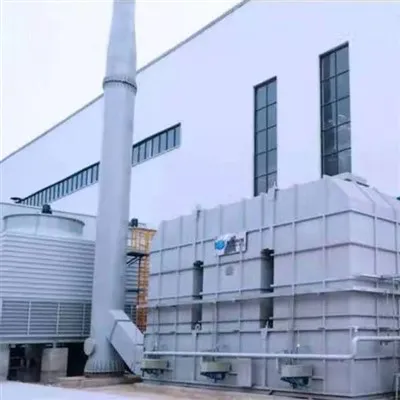
As a seasoned provider of PMMA cracking furnaces, I’ve spent years immersed in the world of polymethyl methacrylate (PMMA) pyrolysis. In this blog, I’ll share my insights on the critical role of PMMA purity in the cracking process within our furnaces. PMMA Cracking Furnace
Understanding PMMA and Its Cracking Process
PMMA, commonly known as acrylic, is a widely used thermoplastic with excellent optical clarity, weather resistance, and mechanical properties. The recycling of PMMA through thermal cracking is an environmentally friendly and economically viable approach. In our cracking furnaces, PMMA is heated to high temperatures, breaking its polymeric chains into monomers and oligomers. These cracked products can then be reused to produce new PMMA or other valuable chemicals.
The Concept of PMMA Purity
PMMA purity refers to the proportion of polymethyl methacrylate in a given sample. Impurities in PMMA can originate from various sources. During the polymerization process, unreacted monomers, initiators, and other additives can remain in the final product. In the case of recycled PMMA, contaminants such as dirt, other polymers, and adhesives can be present. High – purity PMMA contains a minimal amount of these impurities, while low – purity PMMA has a significant fraction of non – PMMA substances.
Impact of PMMA Purity on Cracking Efficiency
One of the most direct impacts of PMMA purity on the cracking in the furnace is on cracking efficiency. High – purity PMMA has a more uniform and well – defined molecular structure. When heated in the cracking furnace, the thermal energy can be more effectively absorbed and used to break the carbon – carbon and carbon – oxygen bonds in the polymer chains. As a result, a higher percentage of PMMA can be cracked into valuable monomers and oligomers in a shorter time.
In contrast, low – purity PMMA contains a variety of impurities. These impurities may have different thermal properties compared to PMMA. Some impurities may require different temperatures to decompose, which can lead to uneven heating in the furnace. For example, certain inorganic contaminants may act as heat sinks, absorbing thermal energy without contributing to the cracking of PMMA. This inefficiency can increase the energy consumption of the cracking process and reduce the overall yield of valuable cracked products.
Influence on Furnace Lifespan
The purity of PMMA also has a profound impact on the lifespan of our cracking furnaces. High – purity PMMA produces relatively clean cracked products. During the cracking process, there are fewer side reactions and by – products that can deposit on the inner walls of the furnace. These deposits, also known as coke or char, can act as insulation layers, reducing the heat transfer efficiency of the furnace and increasing the operating temperature required to achieve the same cracking results.
On the other hand, low – purity PMMA contains more impurities that can lead to the formation of excessive coke and char. Organic impurities, such as other polymers, can undergo complex thermal reactions and form cross – linked structures that adhere strongly to the furnace walls. These deposits can cause corrosion and erosion of the furnace lining over time. Additionally, the build – up of deposits in the pipes and valves of the furnace system can lead to blockages, increasing maintenance requirements and potentially shortening the overall lifespan of the furnace.
Quality of Cracked Products
The purity of PMMA is directly related to the quality of the cracked products. High – purity PMMA cracking typically results in high – quality monomers and oligomers. The cracked monomers are relatively pure and can be easily purified further for reuse in the production of new PMMA. The chemical properties of these high – quality monomers are more consistent, which is crucial for ensuring the quality and performance of the newly produced PMMA.
When low – purity PMMA is cracked, the presence of impurities can contaminate the cracked products. For example, inorganic impurities can introduce metal ions into the cracked monomers, which may affect the polymerization process when the monomers are reused. Organic impurities can also react with the cracked monomers, leading to the formation of unwanted by – products and reducing the overall quality of the recycled PMMA.
Operational Challenges with Low – Purity PMMA
Processing low – purity PMMA in our cracking furnaces presents several operational challenges. Firstly, the inconsistent thermal properties of low – purity PMMA require more precise temperature control. The furnace operators need to adjust the heating rate and temperature profile carefully to ensure that both the PMMA and the impurities are cracked effectively without causing over – cracking or under – cracking.
Secondly, the increased formation of coke and char from low – purity PMMA requires more frequent cleaning and maintenance of the furnace. This not only increases the downtime of the furnace but also adds to the operating costs. Moreover, the presence of impurities can cause fluctuations in the pressure and flow rate within the furnace system, which requires continuous monitoring and adjustment to maintain stable operation.
Importance of Pre – treatment for Low – Purity PMMA
To mitigate the negative impacts of low – purity PMMA on the cracking process, pre – treatment is essential. Pre – treatment methods can include washing, filtering, and separation processes to remove dirt, inorganic contaminants, and other polymers from the PMMA. For example, a simple washing step with water or a suitable solvent can remove surface – attached dirt and some water – soluble impurities. Filtration can be used to separate larger particles from the PMMA.
More advanced separation techniques, such as solvent extraction or chromatography, can be employed to remove specific organic impurities. By improving the purity of PMMA before it enters the cracking furnace, we can improve the cracking efficiency, reduce the formation of coke and char, and enhance the quality of the cracked products.
Conclusion
In conclusion, PMMA purity plays a crucial role in the cracking process within our furnaces. High – purity PMMA offers higher cracking efficiency, longer furnace lifespan, better – quality cracked products, and fewer operational challenges. Low – purity PMMA, on the other hand, can lead to inefficiencies, increased maintenance requirements, and lower – quality products.
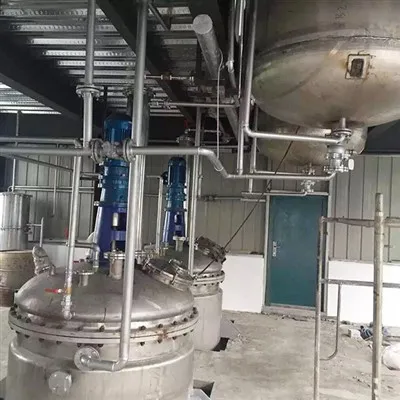
If you are involved in the PMMA recycling industry or are considering investing in a PMMA cracking furnace, understanding the impact of PMMA purity is essential. Our company is dedicated to providing high – quality PMMA cracking furnaces that are designed to handle a wide range of PMMA purities. We also offer technical support and advice on pre – treatment processes to optimize the cracking performance of your furnace.
PMMA Exhaust Gas Treatment Equipment If you are interested in learning more about our PMMA cracking furnaces or have any questions regarding the impact of PMMA purity on the cracking process, please feel free to contact us for a detailed discussion. We look forward to the opportunity to work with you and help you achieve your PMMA recycling goals.
References
- "Polymer Recycling: Science, Technology and Applications" by A. P. Stevels
- "Thermal Degradation of Polymers" by C. A. Wilkie
- Research papers on PMMA pyrolysis from academic journals such as "Journal of Analytical and Applied Pyrolysis"
Wuxi Quansheng Industrial Equipment Co., Ltd.
As one of the most professional PMMA cracking furnace manufacturers and suppliers in China, we have world-leading production equipment and strong manufacturing capabilities. Welcome to buy high quality PMMA cracking furnace for sale here from our factory. For price consultation, contact us.
Address: No.10, Fulaiqiao Road, Hudai Town, Binhu District, Wuxi City, Jiangsu Province, China
E-mail: 397293586@qq.com
WebSite: https://www.pmmatech.com/
