How to choose a High Rejection RO Membrane
As a supplier of high rejection reverse osmosis (RO) membranes, I’ve witnessed firsthand the critical role these membranes play in various water treatment applications. Selecting the right high rejection RO membrane is essential for achieving optimal water purification results, ensuring the efficiency and longevity of your water treatment system. In this blog post, I’ll share some key considerations to help you make an informed decision when choosing a high rejection RO membrane. High Rejection RO Membrane

Understanding High Rejection RO Membranes
Before diving into the selection process, it’s important to understand what high rejection RO membranes are and how they work. Reverse osmosis is a water purification process that uses a semi – permeable membrane to remove ions, molecules, and larger particles from water. High rejection RO membranes are designed to offer a very high level of solute rejection, typically removing over 95% of dissolved salts, heavy metals, bacteria, and other contaminants from the feed water.
These membranes are commonly used in a wide range of industries, including desalination, power generation, food and beverage production, pharmaceutical manufacturing, and municipal water treatment. They can produce high – quality, potable water from brackish or seawater sources, as well as treat wastewater for reuse.
Key Factors to Consider When Choosing a High Rejection RO Membrane
-
Rejection Rate
The rejection rate is perhaps the most important factor when choosing a high rejection RO membrane. It measures the membrane’s ability to retain specific solutes in the feed water while allowing pure water to pass through. A higher rejection rate means better water quality in the permeate. When evaluating membranes, look for published data on the rejection of key contaminants such as sodium chloride (NaCl), calcium carbonate (CaCO₃), and other salts, as well as heavy metals like lead, mercury, and arsenic. For example, in desalination applications, a membrane with a NaCl rejection rate of over 99% is highly desirable to produce low – salinity water. -
Permeate Flux
Permeate flux refers to the volume of water that passes through the membrane per unit area per unit time under specific operating conditions. A higher permeate flux means that more water can be treated, which is crucial for meeting large – scale water treatment demands. However, there is often a trade – off between rejection rate and permeate flux. Membranes with very high rejection rates may have lower permeate fluxes. You need to balance these two factors based on your water treatment capacity requirements and the quality of water you need to produce. -
Operating Pressure
Operating pressure is another important consideration. High rejection RO membranes generally require higher operating pressures to drive the reverse osmosis process effectively. The optimal pressure depends on the type of membrane, the feed water quality, and the desired permeate flow and quality. Lower – pressure membranes can reduce energy consumption, which is a significant cost factor in long – term operation. However, they may not be suitable for treating highly concentrated feed waters. When choosing a membrane, consider the available pressure resources in your system and the energy efficiency requirements. -
Chemical Compatibility
The feed water may contain various chemicals, such as acids, bases, oxidants, and disinfectants. It’s crucial to ensure that the RO membrane is chemically compatible with these substances. Some membranes are more resistant to chemical attack than others. For example, polyamide – based RO membranes are widely used due to their high rejection rates, but they are sensitive to chlorine and other oxidants. If your feed water contains chlorine, you may need to pre – treat the water to remove it or choose a membrane that is more chlorine – tolerant. -
Membrane Material and Construction
RO membranes are typically made of materials such as polyamide, cellulose acetate, or thin – film composite. Each material has its own characteristics in terms of rejection rate, permeate flux, chemical resistance, and fouling resistance. Polyamide membranes are known for their high rejection and good mechanical strength, while cellulose acetate membranes are more resistant to biological fouling.
The construction of the membrane, such as the spiral – wound or hollow – fiber design, also affects its performance. Spiral – wound membranes are commonly used in most industrial and municipal applications due to their high surface area and relatively low cost. Hollow – fiber membranes, on the other hand, offer very high surface – to – volume ratios and are often used in applications where high – purity water is required.
-
Fouling and Scaling Resistance
Fouling and scaling are common problems in RO systems that can reduce membrane performance and lifespan. Fouling occurs when particles, organic matter, or microorganisms accumulate on the membrane surface, while scaling is the precipitation of salts on the membrane. Look for membranes that are designed to resist fouling and scaling. Some membranes have special surface coatings or structures that can prevent the attachment of contaminants. Additionally, proper pre – treatment of the feed water, such as filtration and pH adjustment, can also help reduce fouling and scaling. -
Membrane Lifespan and Warranty
The lifespan of an RO membrane can vary depending on the operating conditions, feed water quality, and membrane type. A longer – lasting membrane can reduce replacement costs and downtime. When choosing a membrane, ask the supplier about the expected lifespan of the product. Many reputable suppliers also offer warranties on their membranes, which can provide some assurance of product quality.
Application – Specific Considerations
- Desalination
In desalination applications, where the feed water is seawater or brackish water with high salt concentrations, a membrane with a very high rejection rate for salts is essential. The membrane should also be able to withstand the high operating pressures required for desalination. Additionally, fouling and scaling resistance are crucial due to the high levels of suspended solids and dissolved salts in the feed water. - Industrial Process Water Treatment
For industrial process water treatment, the specific contaminants in the feed water need to be considered. For example, in the pharmaceutical industry, where very high – purity water is required, membranes with high rejection rates for bacteria, viruses, and organic contaminants are necessary. In the power generation industry, the membrane should be able to handle the specific chemical composition of the water used for cooling or boiler feed. - Wastewater Reuse
When treating wastewater for reuse, the membrane needs to be resistant to a wide range of contaminants, including organic matter, heavy metals, and microorganisms. The membrane should also be able to operate under relatively challenging conditions, as wastewater often contains high levels of suspended solids and pollutants.
Making the Right Choice
Once you have considered all the above factors, it’s advisable to consult with a membrane supplier or a water treatment expert. A reliable supplier can provide detailed information about their products, offer technical support, and help you select the most suitable high rejection RO membrane for your specific application. They can also assist with system design, installation, and maintenance to ensure the optimal performance of your RO system.
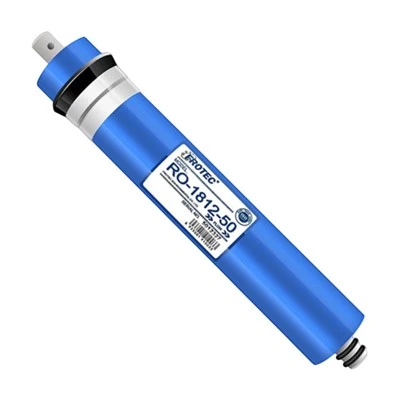
We, as a leading supplier of high rejection RO membranes, are committed to providing our customers with high – quality products and comprehensive services. Our membranes are designed to meet the diverse needs of different industries, offering excellent rejection rates, high permeate fluxes, and long – term reliability.
Ultra Low Pressure RO Membrane If you are in the process of choosing a high rejection RO membrane for your water treatment project, we would be delighted to engage in a procurement discussion with you. Our team of experts can work with you to understand your specific requirements and provide customized solutions. Feel free to reach out to start this important conversation.
References
- "Reverse Osmosis Membrane Technology" by John Howell and Keith Jacobs.
- "Water Treatment Unit Processes: Physical and Chemical" by David W. Hendricks and Mark C. Parsons.
- "Handbook of Industrial Membranes" edited by David R. Lloyd and Mohammad M. S. Jahjah.
Fujian Huamo Technology Co., Ltd.
Fujian Huamo Technology Co., Ltd. is one of the most professional high rejection ro membrane manufacturers and suppliers in China, featured by quality products and good service. Please rest assured to wholesale the best high rejection ro membrane made in China here and get price list from our factory. Contact us for custom service and OEM service.
Address: No.6 Hengtong Rd, Shanmei Village, Xiamei Town, Nanan City, Fujian Province, China
E-mail: info@huaromembrane.com
WebSite: https://www.hmromembrane.com/
